
5 Must-Visit Lowcountry Attractions for Exploring Revolutionary History
As the 250th anniversary of the American Revolution approaches, the Lowcountry’s history is taking center stage. We’re exploring five iconic sites that define Charleston, SC's Revolutionary legacy. Image: Explore Charleston
Charleston, SC, has long been a destination where history feels remarkably present. As our nation prepares for the 250th anniversary of the American Revolution, the Lowcountry’s pivotal role in the fight for independence is taking center stage. From dungeons to sprawling riverside estates, these iconic attractions offer a front-row seat to the South’s enduring legacy of the Revolutionary Era.
Charleston Museum
The Charleston Museum is an ideal starting point for your adventures, as it provides an overarching timeline of the war in the South. While the other attractions on this list primarily focus on individual events, the Charleston Museum’s galleries provide an overview of the broader strategy behind the “Southern Campaign,” which is when the British shifted their focus to Southern colonies.
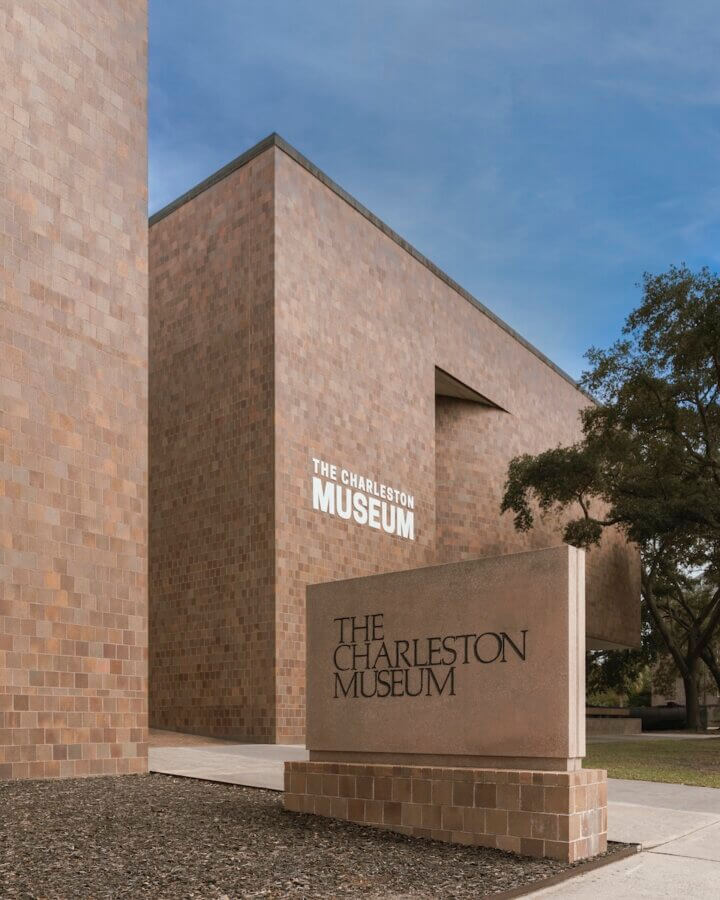
The museum’s Revolutionary War in the Lowcountry gallery contains a significant collection of artifacts from the era. It houses the actual silver used by the Patriots, weaponry recovered from the 1780 Siege of Charleston, and detailed maps that show how the British took the city by land after failing to do so by sea.
The Old Exchange & Provost Dungeon
If the walls of the Old Exchange could talk, they would tell stories of both beautiful galas and the excruciating fight for independence. Built in 1771, the structure served as a social and economic hub — a place where people gathered to trade goods and hear the latest news from London.
However, the building’s basement tells a darker story; it was used as a military prison called the “Provost Dungeon.” Here, everyone from British soldiers to enslaved individuals and private citizens endured its harsh conditions.
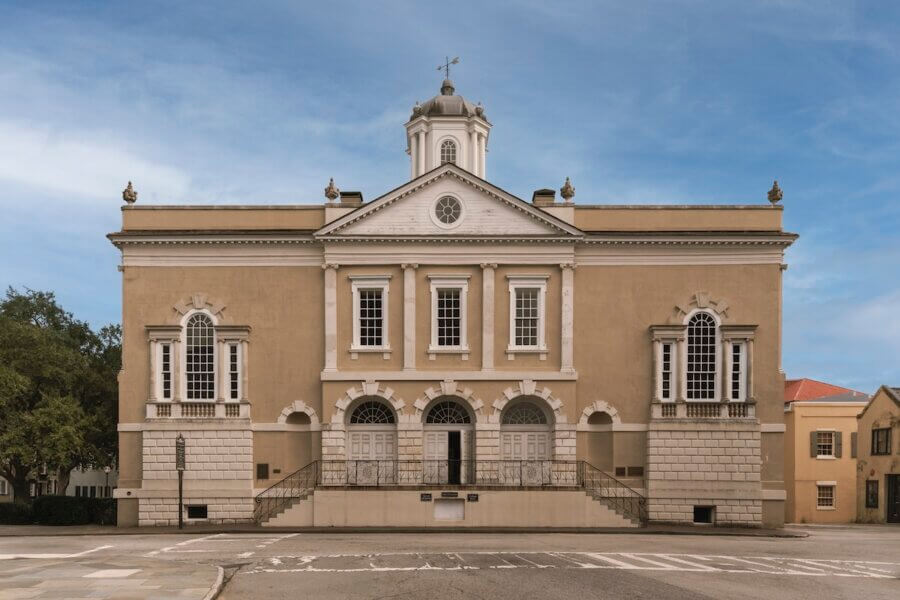
Today, visitors can walk through the dungeon and see the original 18th-century brick foundations that supported the building during the Revolution. The building is also historically significant because it was the location where South Carolina ratified the U.S. Constitution in 1788, serving as a physical testament to the Charleston area’s transition from a major British port to a key city in the newly formed U.S.
Middleton Place
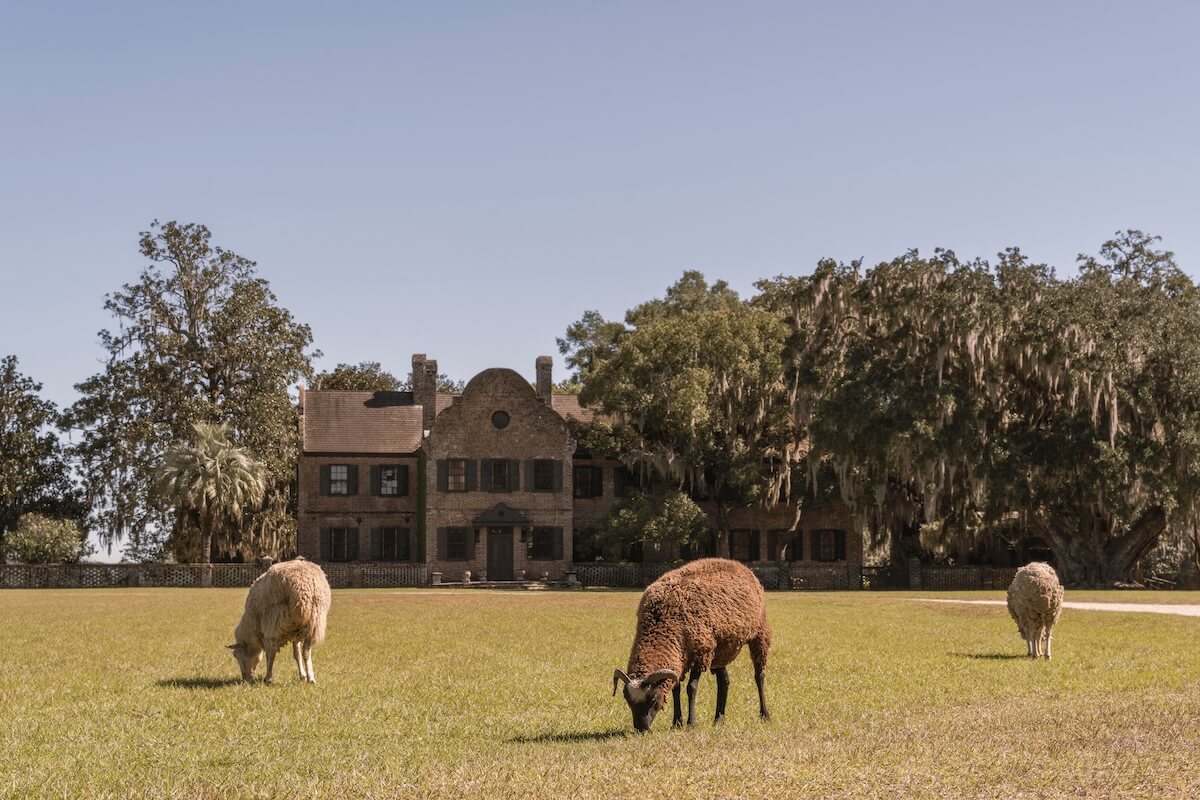
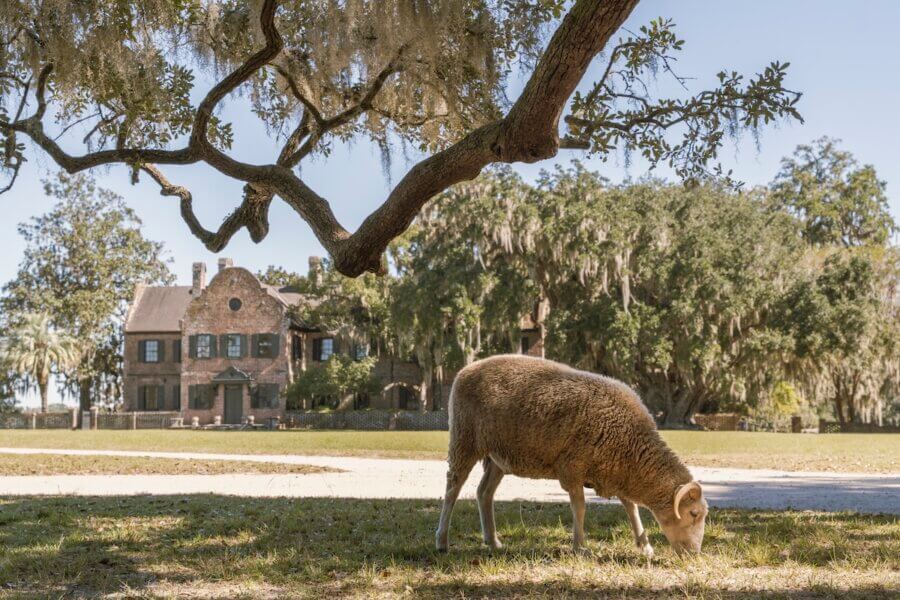
As the oldest landscaped gardens in the U.S., Middleton Place was the family home of Arthur Middleton, a signer of the Declaration of Independence. While the property’s “Butterfly Lakes” and manicured lawns are undoubtedly beautiful, the site is also known for telling a comprehensive story of the Revolutionary era.
Arthur Middleton was a central figure in the Patriot movement and was eventually captured by the British and held as a prisoner of war. However, the independence he fought for was supported by the labor of hundreds of enslaved people who lived and worked on his property. Through Middleton Place’s “Beyond the Fields” program, you can explore the lives of these enslaved individuals who maintained the estate during the war.
SB Tip: Be sure to also stop by the Stableyards to watch blacksmithing and weaving demonstrations. Afterward, grab lunch at the Middleton Place Restaurant.
Fort Moultrie
Across the harbor on Sullivan’s Island, Fort Moultrie was home to one of the Revolution’s most unlikely victories. On June 28, 1776, just days before the Declaration was signed in Philadelphia, the British Royal Navy launched a massive attack on the Charleston area, expecting a quick and easy victory.
What they didn’t know was that Fort Moultrie was constructed of spongy Palmetto logs, which famously absorbed British cannonballs rather than shattering as oak would have. This victory not only saved the Lowcountry from early occupation but also gave the American army the confidence it desperately needed.
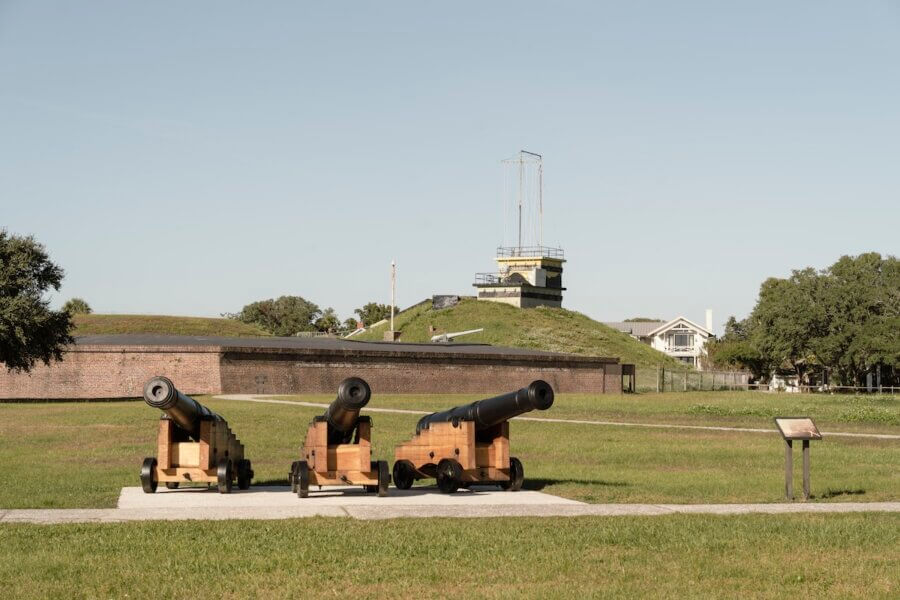
Today, visitors can walk the top of the fort’s walls for a clear view of the harbor. The site is designed as a “timeline,” with different sections showing the 170-year evolution of coastal defense. You can walk through the original 1770s dirt-and-log style, past the brick walls of the Civil War era, and into the concrete bunkers used during World War II.
Drayton Hall
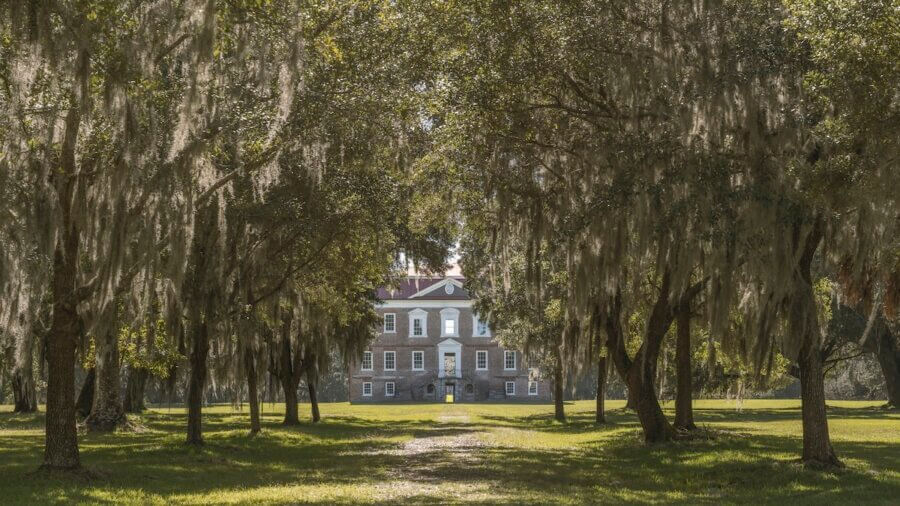
Drayton Hall is a rarity in the world of historic preservation: it hasn’t been “restored,” but “preserved.” There is no electricity, no plumbing, and no modern paint covering the original 18th-century craftsmanship. Because the building was never modernized, the home remains exactly as it appeared to the British and American forces who used it as a headquarters during the war.
Walking through the untouched rooms feels like stepping directly into the 1770s. You can see the hand-carved molding and the original plasterwork that would have been the backdrop for military strategy sessions.
The site also opened the Sally Reahard Visitor Center, which features the Portraits of a Lowcountry Family exhibit, providing an intimate look at the people (both free and enslaved) who called this estate home during the years of the Revolution.
Ready to start planning your adventures? Visit chs250th.com for more information on how Charleston, SC, is commemorating the 250th anniversary of the American Revolution.
This article is sponsored by Explore Charleston.

Brianna Goebel
Brianna is StyleBlueprint’s Associate Editor and Sponsored Content Manager. She is an avid fan of iced coffee and spends her free time reading romance novels.