Meet The Pizitz Building Muralist Who United BHM
If you've been to downtown Birmingham recently, chances are you've seen Amanda Blake's art. Here, she shares what inspired her to start BHM Artist Collective and how she helps our local community grow and heal. Image: Amanda Blake


Why did you start BHM Artist Collective?
BHM Artist Collective was born out of the pandemic. I created an Instagram as a landing page so I could start connecting with local artists. We needed to paint something positive and inspiring and send a message, and I wanted to get to all of these artists who were stuck at home behind their screens. Now people will reach out to us to do other projects. It’s a liaison for artists and businesses to connect.What inspires you most as an artist?
My inspiration comes from what’s around me. I first started doing abstract expressionism portraits in the classroom with my students, and they were my inspiration. The one thing that always stood out to me was the expressions on their faces. I could always tell if they were having a good day or a bad day or if they’d had a bad night or if they didn’t feel well. That would give me the tone of how to nurture and care for the kids. And painting was the outlet for me to express how I was feeling but also give something to the world or my community. The abstract portraits were just very cathartic for me.
Have you found that painting is cathartic for your students as well?
I’m now at an alternative school, and we get a lot of training with working with kids who have been traumatized. I have kids who have experienced trauma either through domestic violence, loss of parents … the list goes on. Art is a place where they feel somewhat safe. They feel they can say things or draw things, and there’s a lot of freedom to talk about things they normally wouldn’t have in the classroom. They like to paint a prettier picture because that is what they’re hoping and dreaming of every day — having a better life. RELATED: Ed Nash: Southern Artist SpotlightHow can art help a community heal and grow?
I had a dear friend tell me once that the eyes remind the heart, and I truly do believe that in my home and in my community. I was shaken by the downtown riots and, of course, the riots happening around the world. I think as artists, we have a responsibility for the images we put out into the world. As artists, we’re taught to respond with art. Art can be a powerful tool that can be used in our culture and our society. We can speak messages of perseverance, hope and change, and we can enlighten families. I think we saw the power of visual art in communities in downtown Birmingham. There were artists bombarding downtown and painting all the boarded-up businesses. Seeing the art that was projected all over downtown was mind-boggling. I’ve never seen anything like it in my 20 years in Birmingham. Having been to New York and all over the place, I’ve never seen a city so quickly catch on and paint the town … literally. While I was painting my piece (a large abstract portrait inspired by the death of George Floyd), I had families come up and they would ask, “What are you doing?” I would get down off the ladder and explain, sometimes in tears, why I felt it was important to express the dignity and honor of every person. I could do that through art.
For several years, you owned the juicery and café Sprout & Pour. Are there any lessons you learned from your years as a business owner that you use as an artist and educator?
I would say almost everything I’ve learned has transferred. A part of my job as a business owner was health and wellness education, so that easily transferred into the ideas that are behind my art. Also, there’s staying organized and keeping to timelines and deadlines. Being a small business owner taught me a lot about working with a team, working in the community, and about partnerships. RELATED: She’s Changing BHM Youth for the BetterIf someone wants to make a difference through art, education or entrepreneurship, where should they start?
Remember, you’re not an island. I think anything that I’ve done has been because someone has told me to go for it, and I’ve had support and partnerships. It’s about having confidence in your inspiration and sharing that with others and finding someone who will listen and be a part of that. These murals, my business Sprout & Pour — it all started with, “Hey, I’ve got this crazy idea!”What do you like to do when you’re not painting or teaching?
I’m a trail runner. It’s like my own little party. I get to listen to music really loud and run through the woods. Red Mountain Park has my favorite trails. I love to go to live music venues like Avondale Brewing. I’m looking forward to when we’ll be able to go and hang out with no masks. I like to cook and read, and spending time with family is always fun. I have two older sisters. We like to go to the beach in Charleston.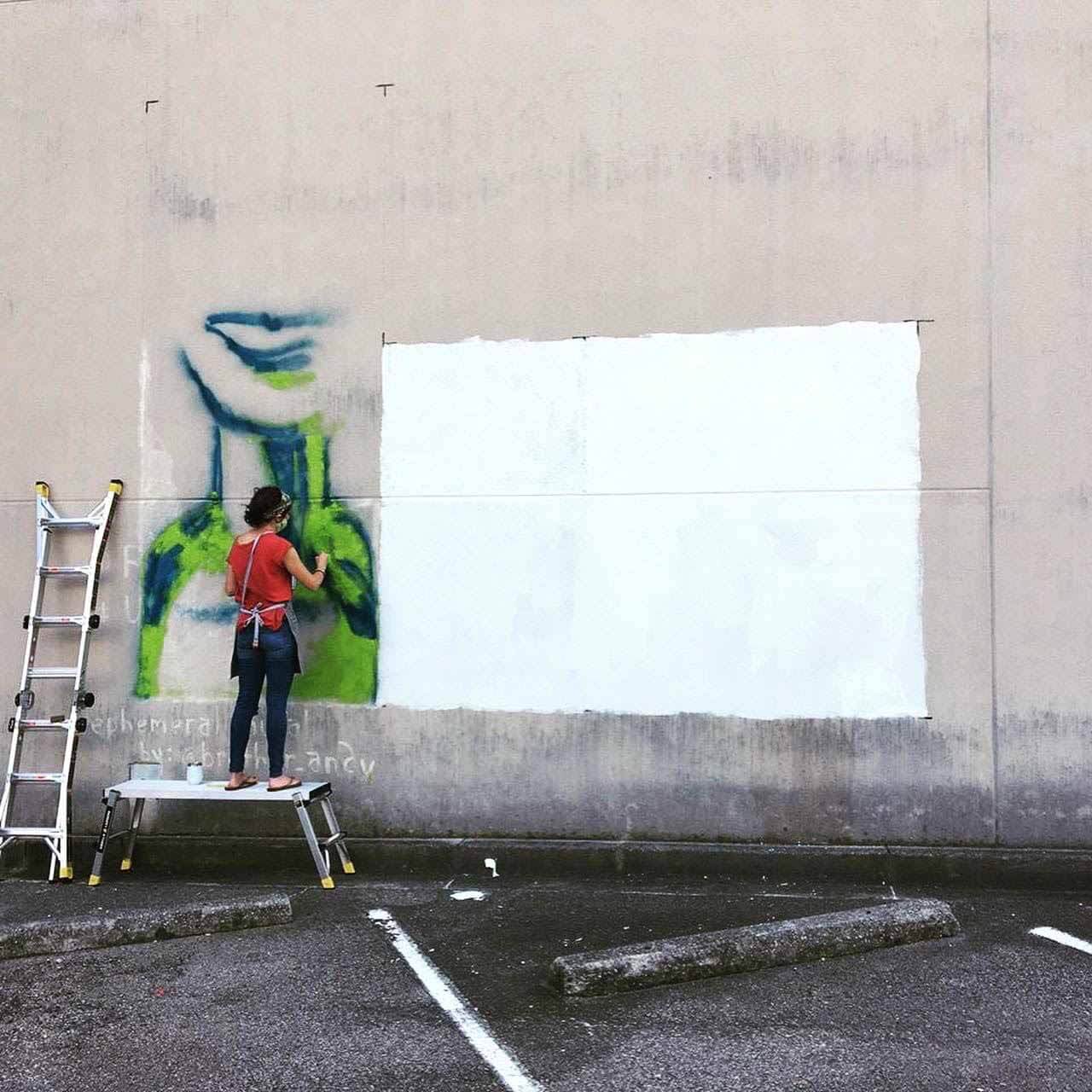
What’s the best advice you have to give?
Love God and love people and meet them where they are. We all have blind spots, so be humble, slow to speak and eager to listen.Other than faith, family and friends, name three things you can’t live without.
Peanut butter, pickles, and music. All photography courtesy of Amanda Blake.**********
To meet more inspiring women from around the South, visit our archives.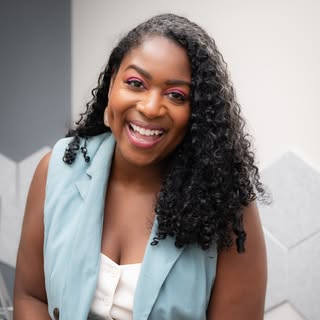
Javacia Harris Bowser
Javacia Harris Bowser is a Birmingham-based freelance writer and the founder of See Jane Write, an online community and coaching service for women who write. With over 20 years of journalism experience, Javacia has received awards from the National Federation of Press Women, Alabama Media Professionals, Alabama Press Association, and the Alabama State Council on the Arts. When she’s not writing, she’s usually practicing Pilates, getting her 10K steps a day, or watching crime shows. Follow Javacia on Instagram @seejavaciawrite.