
Closet Organization Tips for Revamping Your Wardrobe (Without Starting From Scratch)
You don't need a new wardrobe to love your closet again. Personal stylist Carson Love shares her two-step approach. Learn why Instagram isn't a fitting room, how the three-shoe rule prevents impulse buys, and why a 48-hour pause saves money. Image: iStock
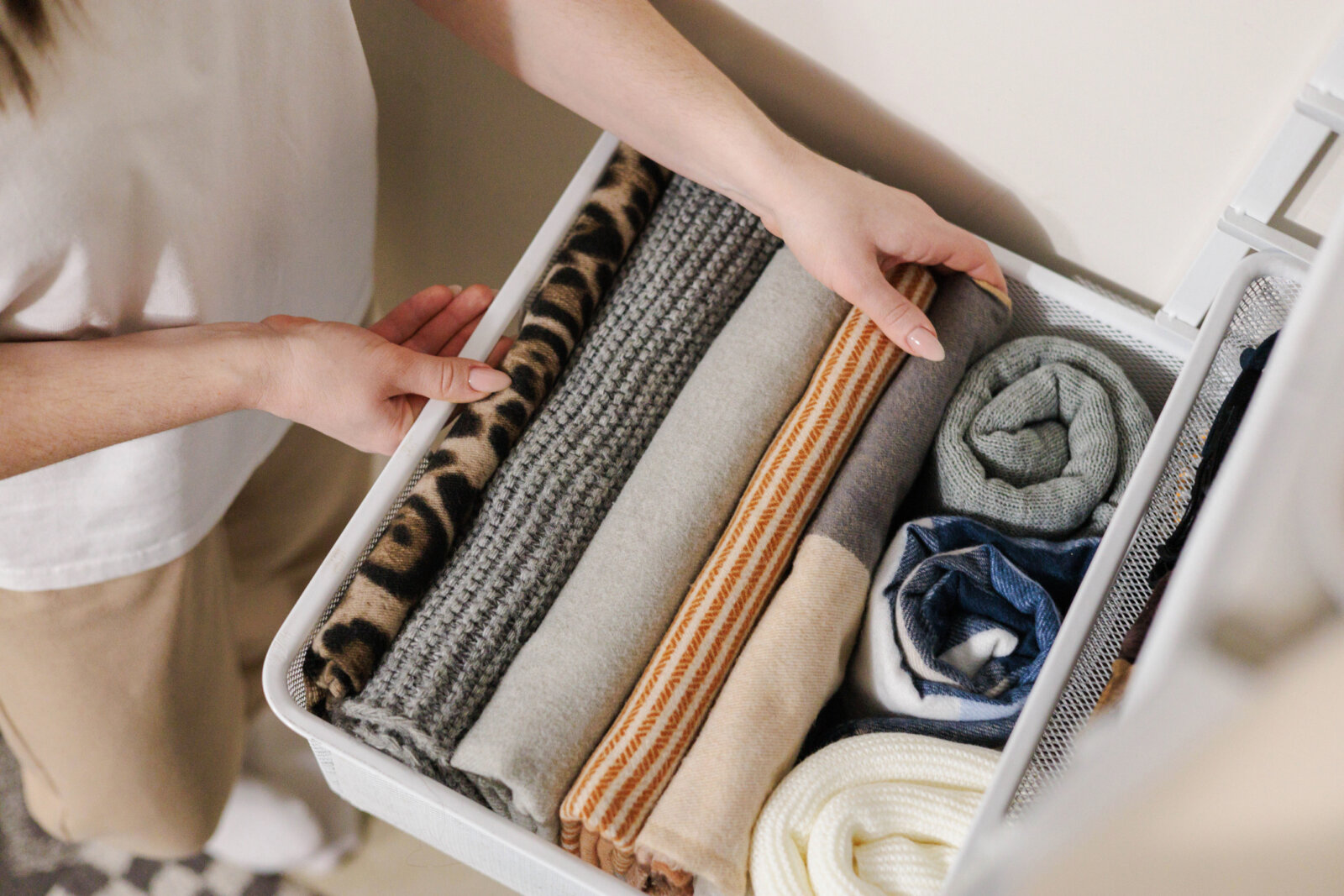
Nashville-based fashion stylist and wardrobe consultant Carson Love shares her closet organization tips, from shopping with intention to making the most of what you already own and building a wardrobe that truly works for you.
**********
“I bought this because it looked so cute on the Instagram influencer, but I don’t love it on me.”
“I have a closet full of clothes, but I have nothing to wear.”
“I truly hate to shop. I get so overwhelmed just walking into a store.”
Do any of these sound familiar? If so, you’re in good company. These are the pain points I hear so often when I edit a client’s closet for the first time. Although it can sometimes feel like starting over is the only option, I’m here to tell you that the fix is almost never a whole new wardrobe.
Fall is a natural time to check in with your closet; we’re pulling out different kinds of clothing for the change in weather, so we’re already face-to-face with what we have (or don’t have). These kinds of check-ins are the starting point to building a wardrobe with more intention. Our bodies change, our lifestyles change, and so do the demands life places on our wardrobes. Not to mention, our style and taste preferences evolve, too.
If refining and building an intentional wardrobe is one of your goals this season, I think it’s helpful to break it down into two main steps: knowing what you already have and being thoughtful about what you should add.
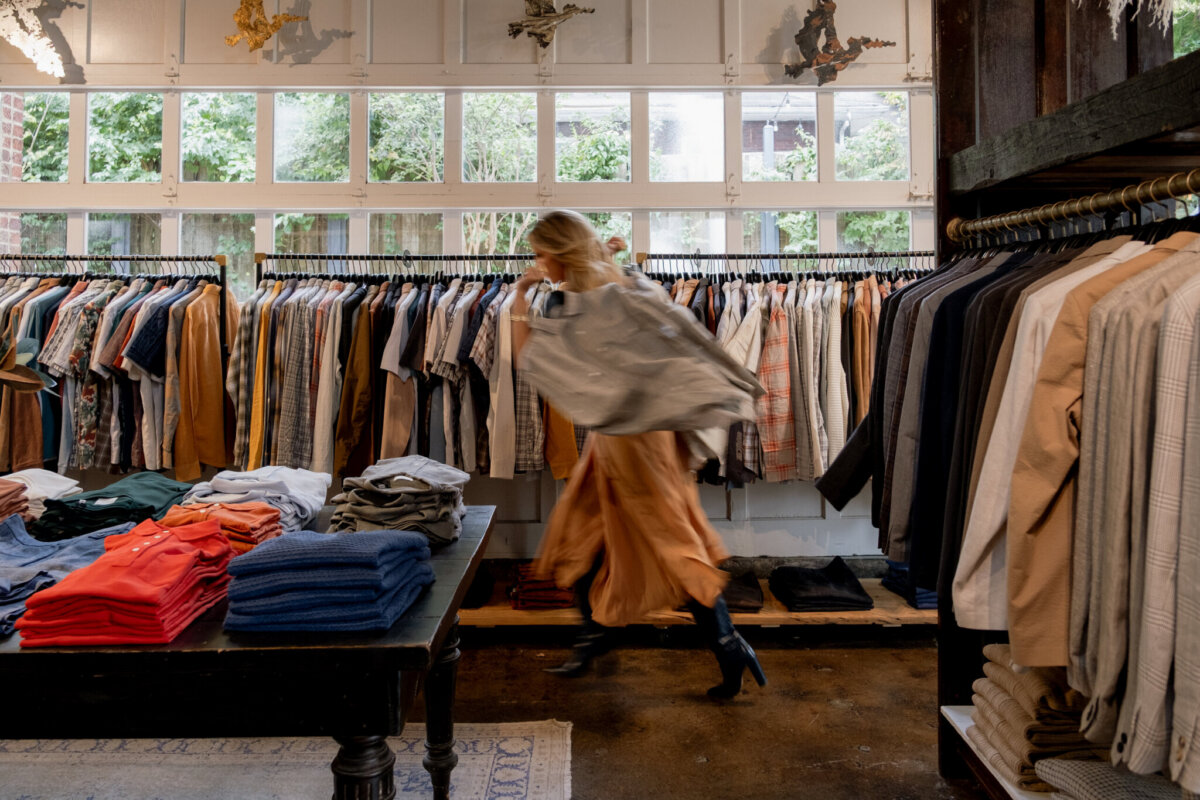
Step One: Know Your Inventory
No matter the budget, I would never suggest that a client start shopping for anything without first taking really good stock of what they already have. Whatever the circumstances, building an intentional wardrobe starts introspectively, in your own closet. You simply can’t know which direction to go without knowing your starting point.
This step is productive for more reasons than people realize. Sometimes I hear, “But I don’t like anything I own,” or “I don’t even have anything to start with.” That could be true, but there’s still a lot of information to be gained, even from a closet you don’t love.
When I meet with a client for the first time, I always explain that yes, we may be editing some things out, but this is also a chance for me to put on my detective hat and do a little research. For example, if someone tells me they hate all their jeans, I need to ask questions to figure out why. Is it a sizing issue? The fabrication? Maybe the specific styles don’t work? All that information is incredibly valuable, as it gives us clear criteria and a much narrower focus when we go out to shop for new jeans.
So, remember: editing your closet is great, but I want you to also consider it an “inventory check.” If you do find pieces that need to go, take note of why they weren’t working for you.
On the flip side, take a close look at your most-reached-for pieces as well. These wardrobe workhorses often need to be replaced, refreshed, or repaired over time. (Stay tuned for the November style column, where we’ll talk about these “investment pieces.”)
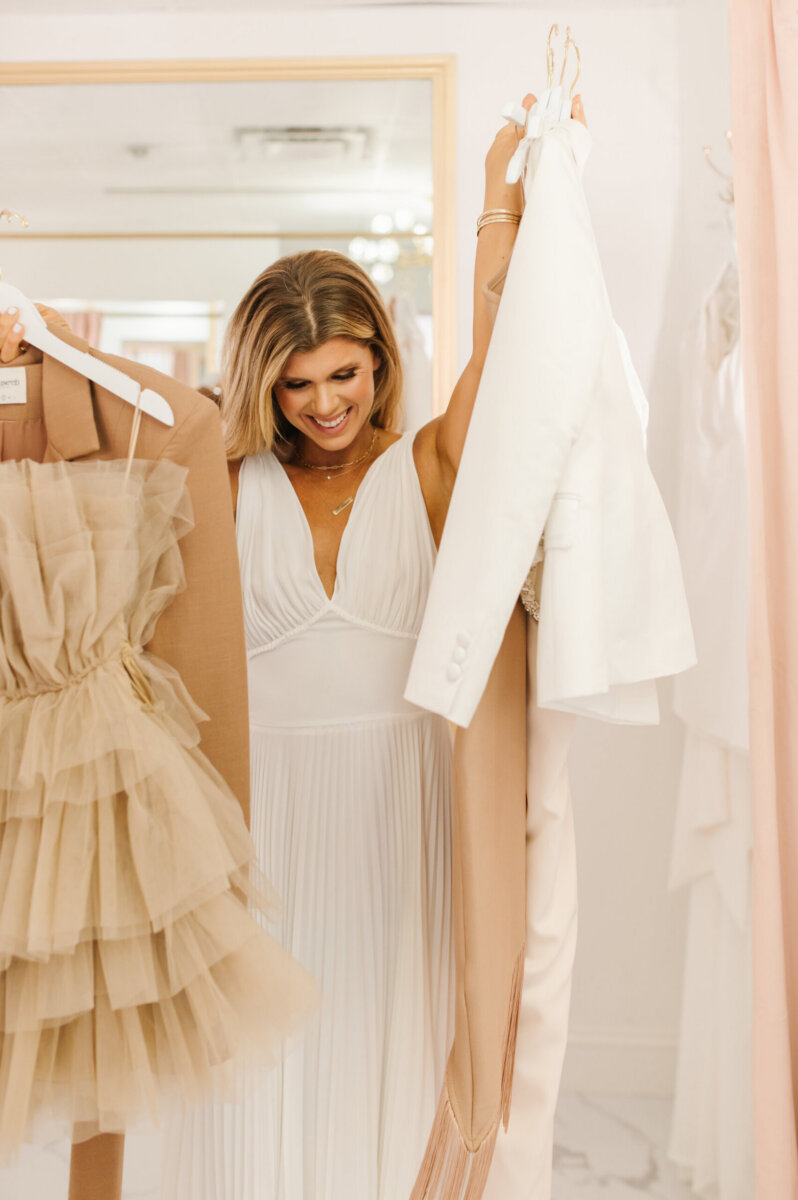
While it’s more fun to think about the pieces we need to add, it’s equally helpful to acknowledge what you need to subtract. After more than a decade as a personal stylist, I’ve come to find that most of us have buying patterns.
For example, if a client has 20 black T-shirts but only one pair of jeans she can actually wear, she’ll naturally gravitate toward the black T-shirts when we go shopping because that’s her comfort zone. I encourage her to steer away from her staple shirts and toward the place she doesn’t naturally want to go — in this case, the denim department.
Step Two: Curate Your Collection
The second step in building a more intentional wardrobe is the fun part — the shopping. This is about being thoughtful with the pieces you add and mapping out the best way to tackle your shopping list. I would never suggest someone start shopping without a really well-defined list, even if it’s just a mental one. This is exactly why starting with an inventory check is so important. I want you to think of this as “curating a collection,” versus impulse or emergency shopping.
Shopping in the Wild
So you’ve taken stock of what you own, identified the holes in your wardrobe, and made your list. Now you’re ready to add some pieces. Can we please take a moment to recognize that shopping these days can feel more overwhelming than ever? It’s almost as if we’re always shopping, even when we don’t choose to be. Social media feeds us ads and links, shoppable content is popping up on our TVs, and anywhere there’s a screen, there’s an opportunity to buy something!
Instagram Is the New Catalog
Influencer marketing is an awesome marketing tool, but we often forget that watching someone try something on in an Instagram story is not a replacement for an actual fitting room. I can’t tell you how many times I’ve walked into a client’s closet and found pieces she’s never worn because she bought them off a link on someone’s story. It looked so cute on the influencer, but once it arrived, it didn’t have the same effect.
Influencer marketing is essentially the new version of catalog shopping. As a stylist, I know that e-commerce and catalog shoots have stylists, hair and makeup artists, and incredible photographers whose entire job is to make each piece look as enticing and easy to buy as possible. Some version of that has to come into play with shopping via social media, too.
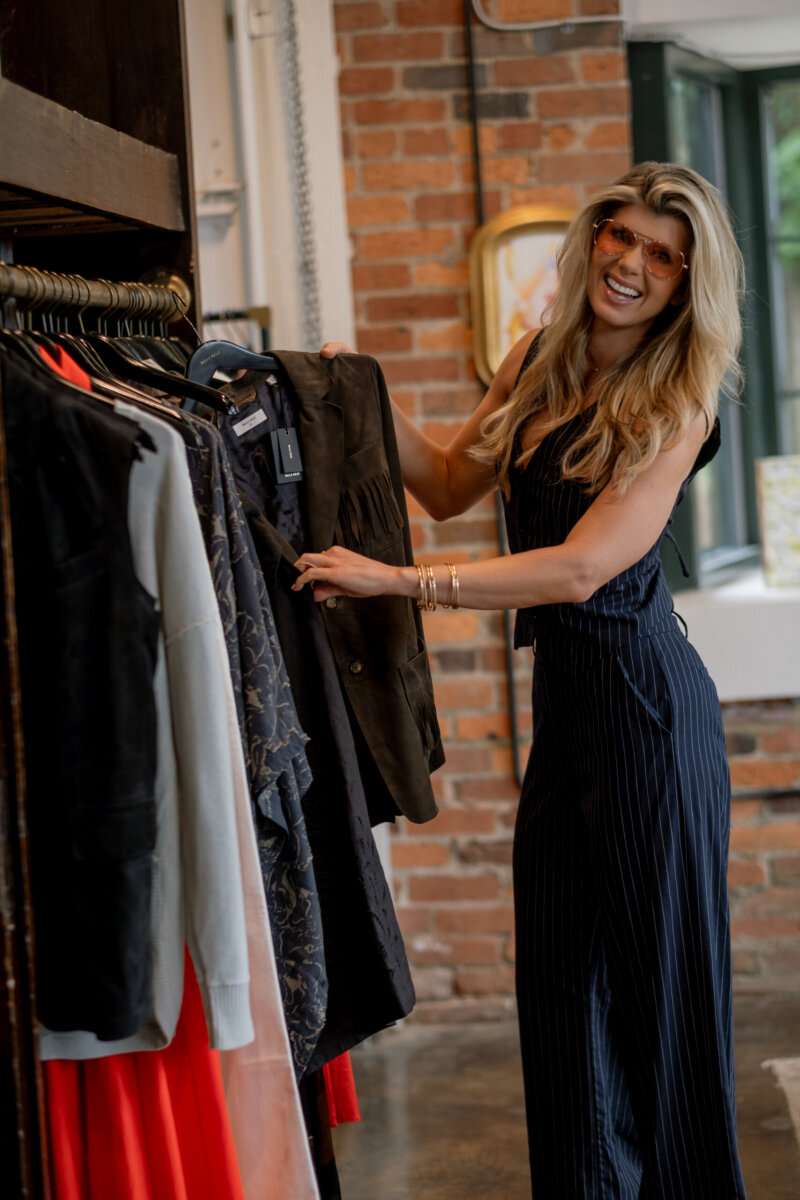
Even if you think you’re a similar size to someone else, there are so many variables to fit beyond the number on the tag that it’s almost impossible to gauge from a post how something will look on you. Trust me, if that were possible, I’d wave my magic wand and make it happen! It would sure make my job so much easier. I regret to inform you, however, that there’s simply no replacement for trying something on your own body.
Add a Pause
If you take nothing else from this article, take this: create a little space and pause before you add anything to your cart (whether online or in-store). This one small step can be a huge help in eliminating unnecessary purchases or those that aren’t the best fit for you.
You also never know when a better option might be around the corner. I spend a lot of time shopping for clients, and every now and then I see something I want for myself. When that happens, I simply text myself the link and come back to it a few days later to see if I still want or need it. Sometimes, by then, I’ve found a better version — or the impulse has passed.
A good rule of thumb? Text it to yourself, wait 48 hours, then come back to it.
The Three-Shoe Rule
Another trick for when you’re out shopping and wondering whether something makes sense for your wardrobe is my three-shoe rule. Picture the piece with three pairs of shoes you already own. For example, if you find a dress you like, ask yourself whether you have three different pairs of shoes to style it with. Maybe that’s sandals or wedges in the summer, boots in the fall, and fashion sneakers for travel. If you can name at least three, chances are you’ll get plenty of use out of it.
Save Room for Joy
With all that said, I think there’s always room for a little pure joy or novelty. Every now and then, you might try something on or find something special that doesn’t follow any of these rules or fit your criteria, but it simply makes you happy. That’s completely valid. In fact, sometimes, that’s just what clothes are for. My advice is to keep that category to about 20 percent of your purchases and let the other 80 percent be the harder workers (i.e., foundational, versatile pieces).
So what should that harder-working 80 percent look like for you? That’s exactly what we’ll dig into next month! Spoiler alert: the investment pieces that are right for you might not be the same as everyone else’s.
**********
Keep up with the best parts of life and style in the South. Subscribe to StyleBlueprint!

Carson Love
Carson Love is a Nashville fashion stylist and wardrobe consultant who helps clients find their own unique style and encourages them to be unapologetically authentic.