Drew Holcomb Shares the Secret to Making Music (and Marriage) Last
Love songs hit a little differently after 20 years of marriage. Drew Holcomb gets candid about making music with wife Ellie, the challenges of working with your spouse, and what keeps their creative partnership going strong. Plus, the sweet story behind their recent song swap! Image: Ashtin Paige
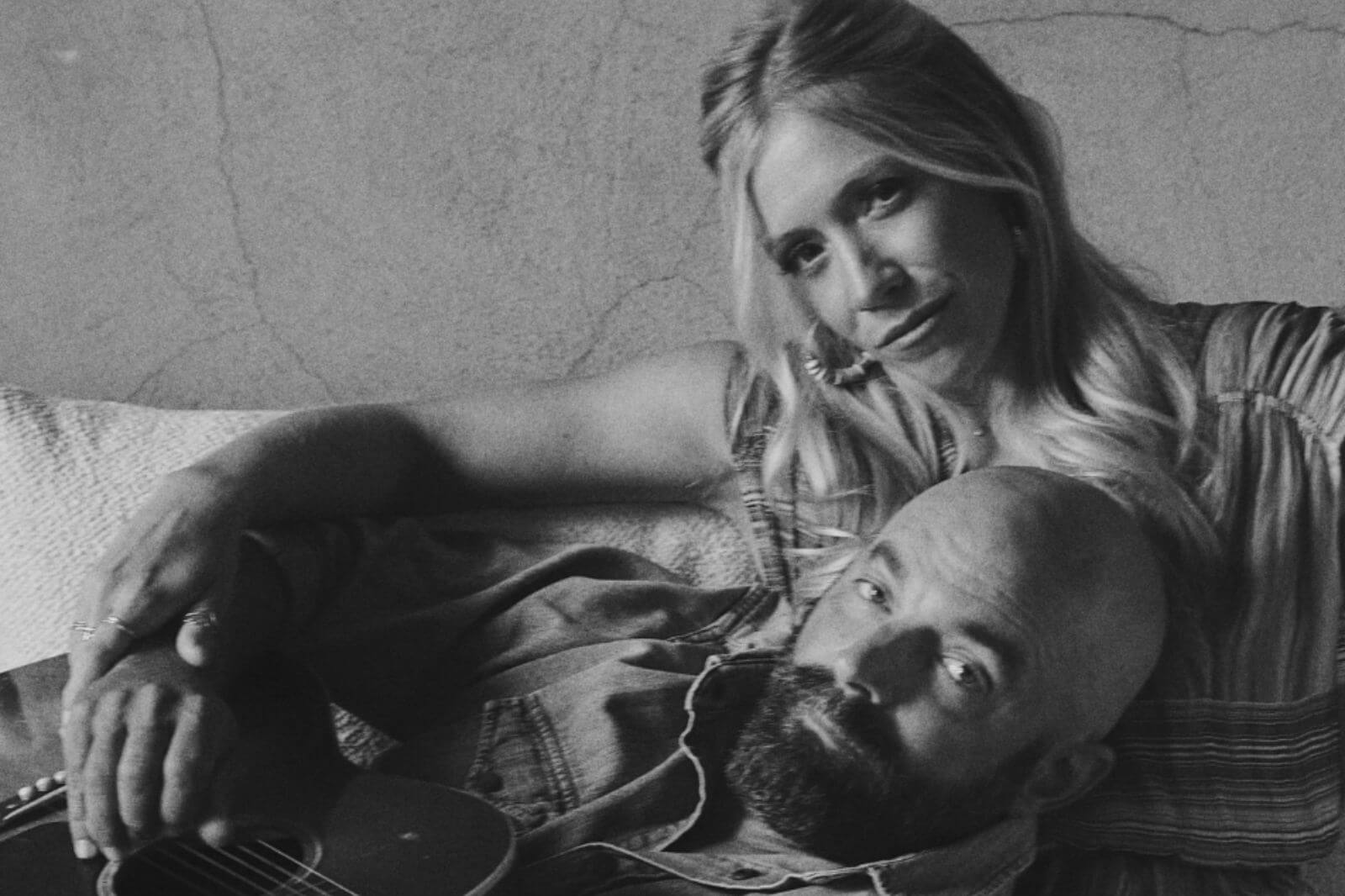
Drew Holcomb is no newcomer to the music industry or to longtime creative collaboration, but this summer marked a career first when he and his wife, Ellie, released covers of each other’s songs. The husband-and-wife duo later appeared on NEEDTOBREATHE’s song “Promised Land” and supported the band on its most recent tour.
After a summer that brought fans new music and fresh takes on old favorites, we caught up with Drew to chat about what it’s like to step into his spouse’s shoes and cover her music, what it’s like to collaborate, and the secret ingredient to making a creative partnership last.
First things first. What inspired you and Ellie to cover each other’s songs?
It came from a show we did together in Huntsville, Alabama, at the end of our 2024 tour. Long story short, Ellie blew out her voice 10 minutes before we went on stage. We had to tell the audience, “Hey, Ellie can’t sing,” but she came on stage anyway.
Become an insider
The rest of this story is waiting for you
Enter your email to keep reading for free and get the best of StyleBlueprint in your inbox each morning.
Free. Unsubscribe anytime.
We didn’t want to cancel the show because the room was already packed; it was a sold-out crowd. We just told them, “If you need to leave and want to get a refund, you can, or you can stay. And I’m going to try to sing her songs.” So I covered “Constellations” that night. It was a pretty meaningful experience for Ellie, the crowd, and for me.
What drew you to record “Constellations,” and Ellie to cover your song “What Would I Do Without You”?
It’s always been a favorite of mine. I mean, I love a lot of her songs … Typically, if either of us writes a song that day, once we get the kids down, it’s time to share it. She played me that song, and I was just completely undone by it — the vulnerability, the rawness of the vocals. Everything about it was outstanding, and the song really hit home in a lot of ways.
This year, we decided it’d be interesting — something different — if I did one of her songs and she did one of mine. I had already kind of decided on “Constellations.” She went around the horn on different songs of mine and landed on “What Would I Do Without You.”
I think that song is very meaningful to both of us. It’s a song I wrote for her in a sort of dark night of the soul. It’s a love song, but most love songs don’t start with a sentiment like, “Sometimes I wake up with a sadness; other days, it feels like madness.”
It’s a heavy kickoff to a love song, but it was written in that soil. We’ve been married for 20 years, so we’ve obviously been through plenty of peaks and valleys — personally and professionally. It’s probably her favorite song of mine, so it was a natural fit. We were also trying to find songs that we could make our own, and she was able to do that with that one.
What was it like hearing Ellie sing a song you wrote?
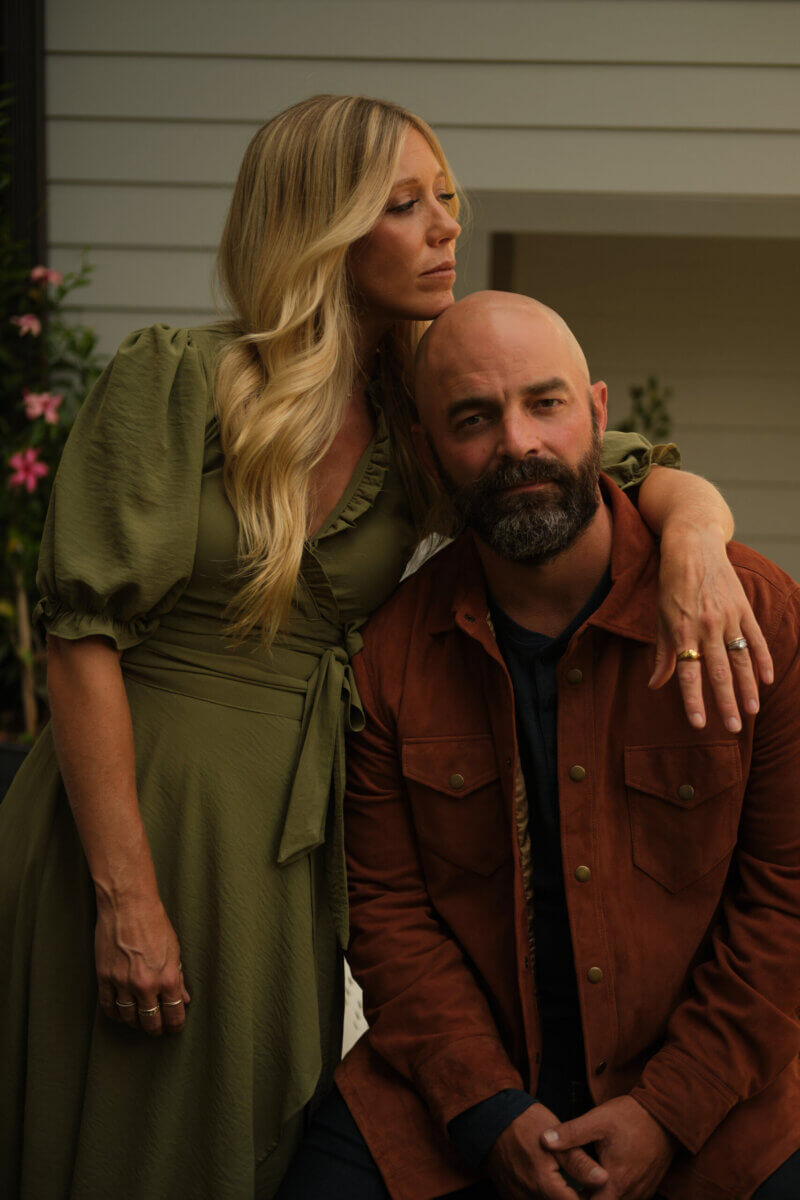
Well, it’s the first time it’s ever happened. Obviously, she’s sung with me on songs I’ve written and vice versa, but as far as taking the lead on a song that I’m known for, the first couple of nights she did it — I kind of had to keep it together.
There’s a lot of personal backstory underneath when you’ve been married to someone that long and have had that long of a relationship. The song is not just a piece of entertainment. It’s a huge part of your life and story, and there’s a lot of gratitude that we’ve made it this far together and that we continue to thrive.
Did Ellie’s interpretation change how you hear your song?
Hearing her have to sing my perspective was a little bit funny in some ways, because there’s a line that says, “You are patient, I’m always on time.” So to hear Ellie saying, “I’m always on time,” was kind of funny — it’s not true. At all. So, there was definitely a bit of humor in it as well.
Mainly, I think she shares the same sentiment I do with the song. We’re just grateful for each other in a very chaotic and oftentimes tragic world; it means a lot to have somebody to share it with.
How is collaborating with Ellie different from working with other artists?
It’s actually harder to collaborate with your spouse because you’re bringing your personal relationship to the studio as well … There’s so much more going on — body language and all that. It’s one of the reasons it took us 20 years to make a duet record together. We’re so different creatively, and we found it was better for us personally to give each other space to do our own thing.
What have you and Ellie learned from each other as songwriters?
Ellie is much more of a melody-driven, melody-first songwriter. I’m much more of a lyric, what-are-we-trying-to-say? songwriter. I think we’ve both come to the center on that. The other thing I’ve learned a lot about from Ellie is harmony. I didn’t sing harmony for the first 17 years of my career. Finally, during COVID, we spent some time teaching me how to sing harmony.
But the main thing I’ve learned from Ellie is melodic precision. She wants to make sure that we tease it out. Is that the best way we can say it? Is there better phrasing? I think what I’ve taught her is to be more specific in lyrics, more personal.

When you run parallel creative lives, you’re always picking up on each other. In the studio, Ellie would love to sing a vocal 100 times and tease out every single thing. That can be great, because you can find new things. But at some point, you can lose the beauty of the human take, and it can be too perfect.
I needed to do more of that; she needed to do less of that. So we met in the middle.
How has your creative partnership evolved over the years?
Younger me would definitely be shocked to hear me singing harmony, which has been really fun.
Ellie was a very reluctant artist. Everybody knew she was super talented. We tried to tell her, and she was like, “No, I’m going to be a schoolteacher. I don’t want to be an artist.” So, to see her reluctance turn into complete creative confidence … she has very clear ideas of what her records are going to sound like. When we work together, she has very thoughtful opinions on what we should sound like together.
Seeing that transformation from “I don’t think I want to do this” to “This is who I am, and this is what I do” has been really beautiful to watch. She’s just always writing songs. She’s always creating melodies. She’s kind of like a waterfall of creative ideas. That’s been really cool to see happen over the last 20 years.
She’s really taught me how to sing. I was very folk-y — get one take, get it on wax, and move on. She was like, “No, you need to develop your singing. The voice is the vehicle for the song, and the more you work hard to be a good singer, the more these songs that you love will find a home and connect with people.” Because the thing that delivers that song — the voice — if it’s meaningful, and the tone and dynamics are more thoughtful, it’s better for the song. That’s 100% from Ellie.
What makes a successful creative collaboration?
Respect would be the number one ingredient in a good collaboration. Primarily, that starts with my band, The Neighbors. Most songwriters and troubadour-style artists will go through a lot of different bandmates, studio people, and producers. While we’ve definitely worked with a lot of different producers and had a few different musicians over the years, this core base of The Neighbors has always been the same.
They’re a very key element in our sound, both on records and live. I have a deep respect for them, and when we make records together, I leave a lot of space for them to speak into the music that we make because I consider it our music, not my music.
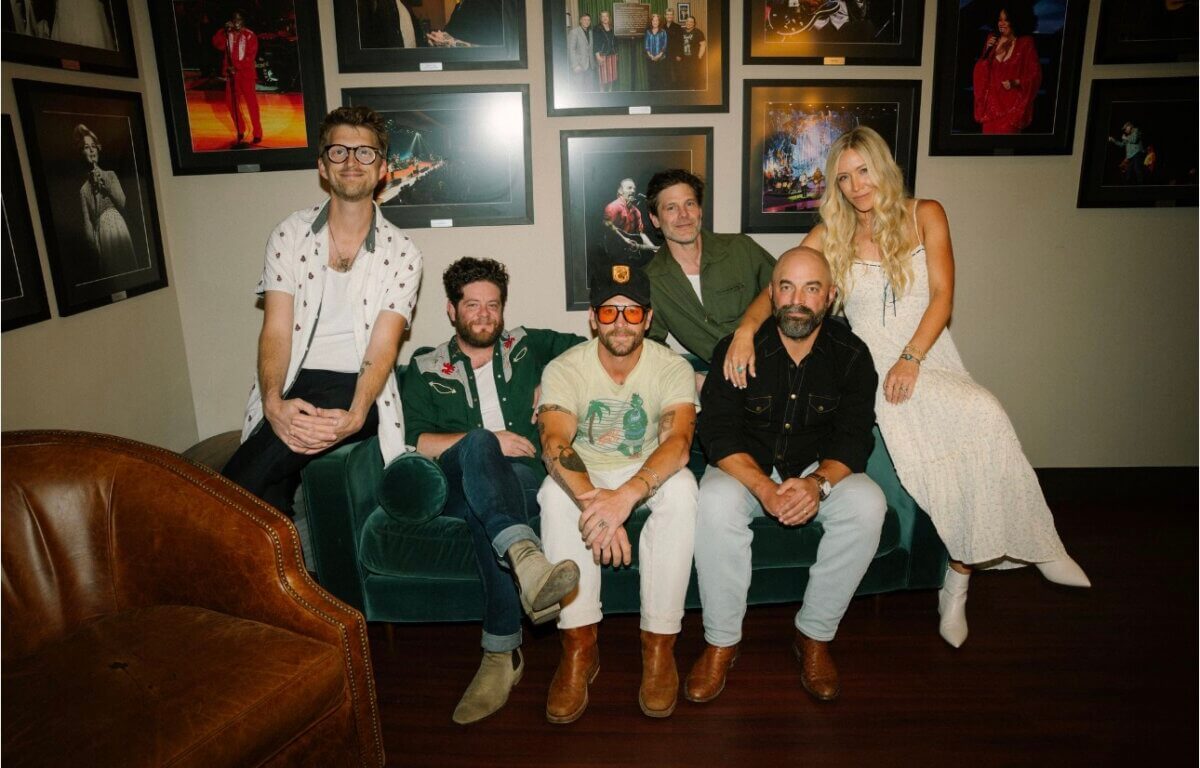
We did a couple of EPs with JOHNNYSWIM, and we’ve done lots of stuff with NEEDTOBREATHE, Jonah Kagen, Donovan Woods, and Josiah and the Bonnevilles. These are all artists that I listen to as a fan. So, respecting people as people and also as artists and musicians, and being a fan of their music outside of the collaboration has been a key piece for me. I wouldn’t want to collaborate with anybody whose music I didn’t already listen to.
It starts with respect, but also friendship and general enjoyment of each other’s company, because you’re going to spend a lot of time together. We’re 10 people deep on a tour bus for weeks on end. We have a lot of introverts. Ellie’s kind of the only major extrovert in the whole circus. When we’re out on the road, most people go their own ways during the day until soundcheck.
Some people like to go to the gym, play golf, or work on their music in a dressing room. Nobody’s expected to be social all the time. We also have this thing called “roses and thorns,” where at the end of every week, we share our highs and lows on the bus. It’s sort of a glue, relationally.
In the studio, it’s about understanding your strengths and weaknesses. For instance, I know that I have a very particular idea of what I want a song to sound like on the front end, and we’re usually able to capture that pretty quickly. But I’m terrible at all the minor engineering details. I hand those off to other people out of deep respect for their abilities and interests in those things. I don’t micromanage those parts of the creative process.
And in the studio, we have a rule. It’s called “try anything.” If anyone has an idea, you can’t say no. You have to try it. You can always not use it. So, why not try it? That’s been a good compass for us. Anybody’s ideas are welcome.
That culture makes people feel their participation matters, and that’s not always the case. I think that’s why we’ve been able to work together for a long time: it’s the way we treat each other — in the studio and on the road — as full human beings with their own creative ideas and personal needs and space.
What does nearly 20 years of shared history bring to your creative partnership today?
The motivation is much different. When I was 22 to 27, the motivation was pretty selfish — making music for the world, but really trying to make a place for myself and find an audience.
You want to feel valuable as a person, so you make this art. And hopefully, it connects with people so you can feel like you’ve contributed something to the world and prove it to your family, friends, and hometown.
Over time, that motivation shifts to making music, not for me, but for we — for the fans and the audience. You’re trying to get out of the way instead of being the center of the creative role. You’re now feeling more like a conduit, and grateful to be one of these people who get to have songs that connect with people’s stories.
The music becomes the centerpiece of your creative life, and it’s less about your ego. And I think that allows songwriting, the studio, and the tours to feel more fun. The experience is more full of gratitude and less full of anxiety because you just feel lucky to get to do it. It’s less, “I need the world to hear me,” and more, “I can’t believe the world wants to hear what I have to say.”
Thank you, Drew!
**********
Learn about more dynamic and inspiring Southerners in our FACES of the South archives!

Addy Crosby
Originally from Lakeland, FL, Addy Crosby is a Florida State University alumna (Go Noles!) who now resides in Nashville, TN. When she’s not writing for StyleBlueprint, Addy loves being outdoors and spending time with friends. She also regularly writes for the Development & Alumni Relations department at Vanderbilt University.