Tara Stallworth Lee Tells Alabama’s Story Through Her Camera Lens
In her new book, artist Tara Stallworth Lee captures the beauty and struggle of Alabama through visual melody. Meet Tara and get a peek into "An Alabama Song."
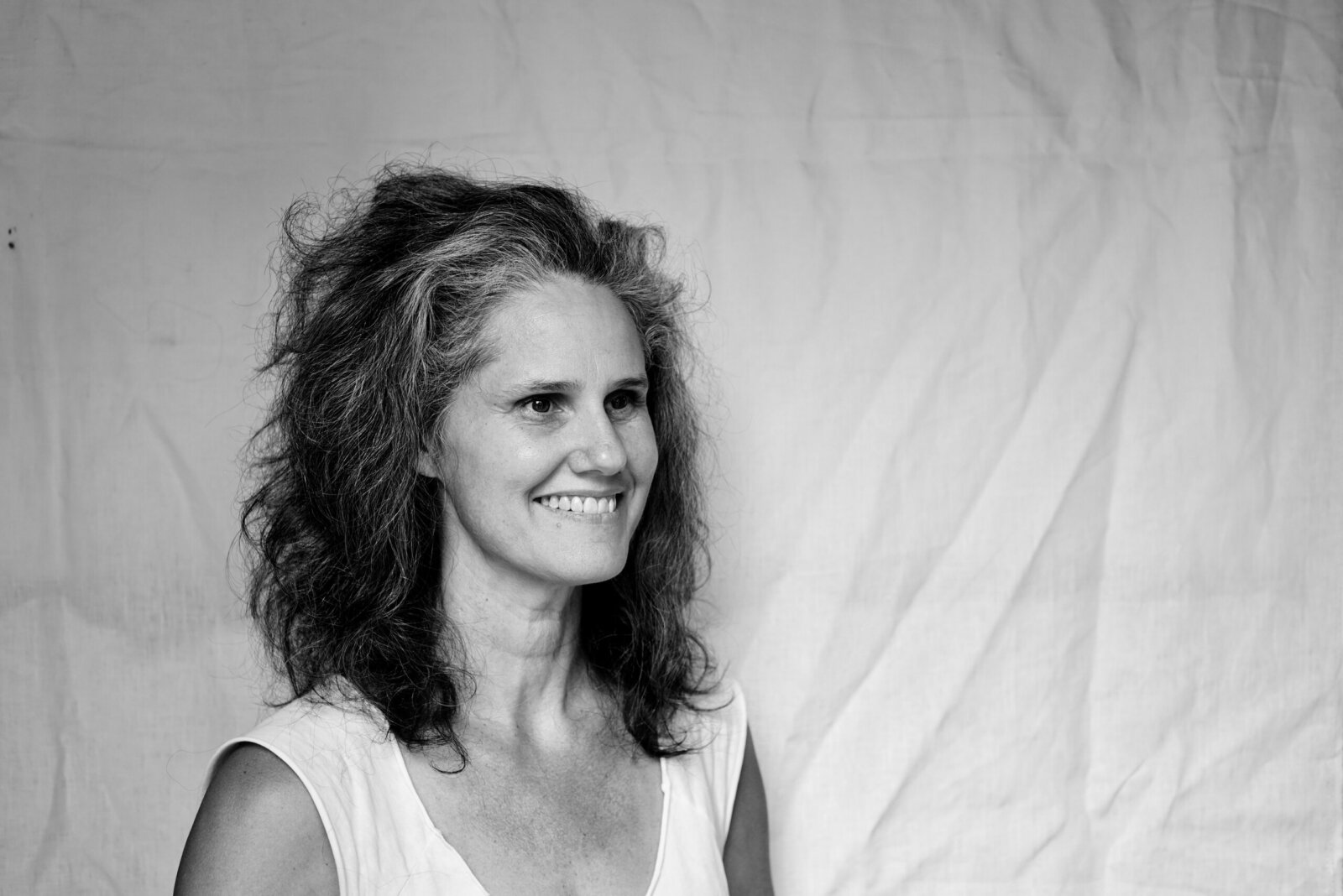
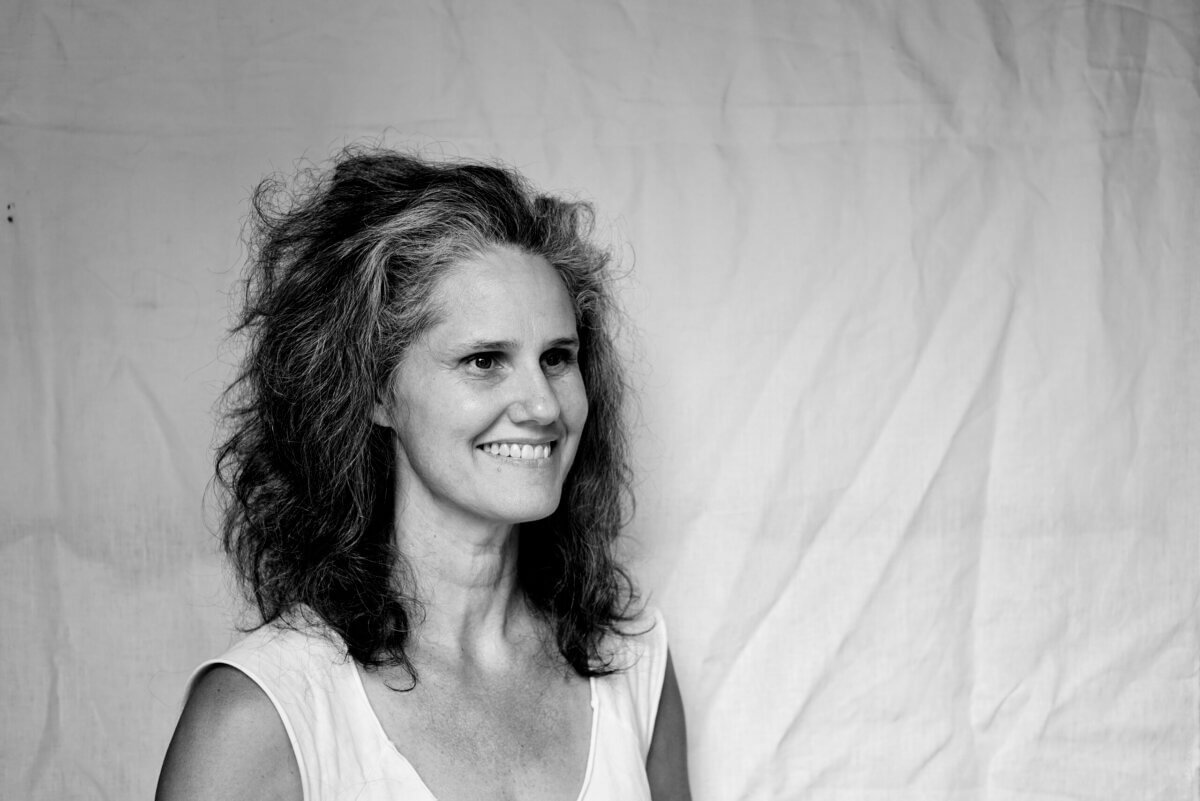
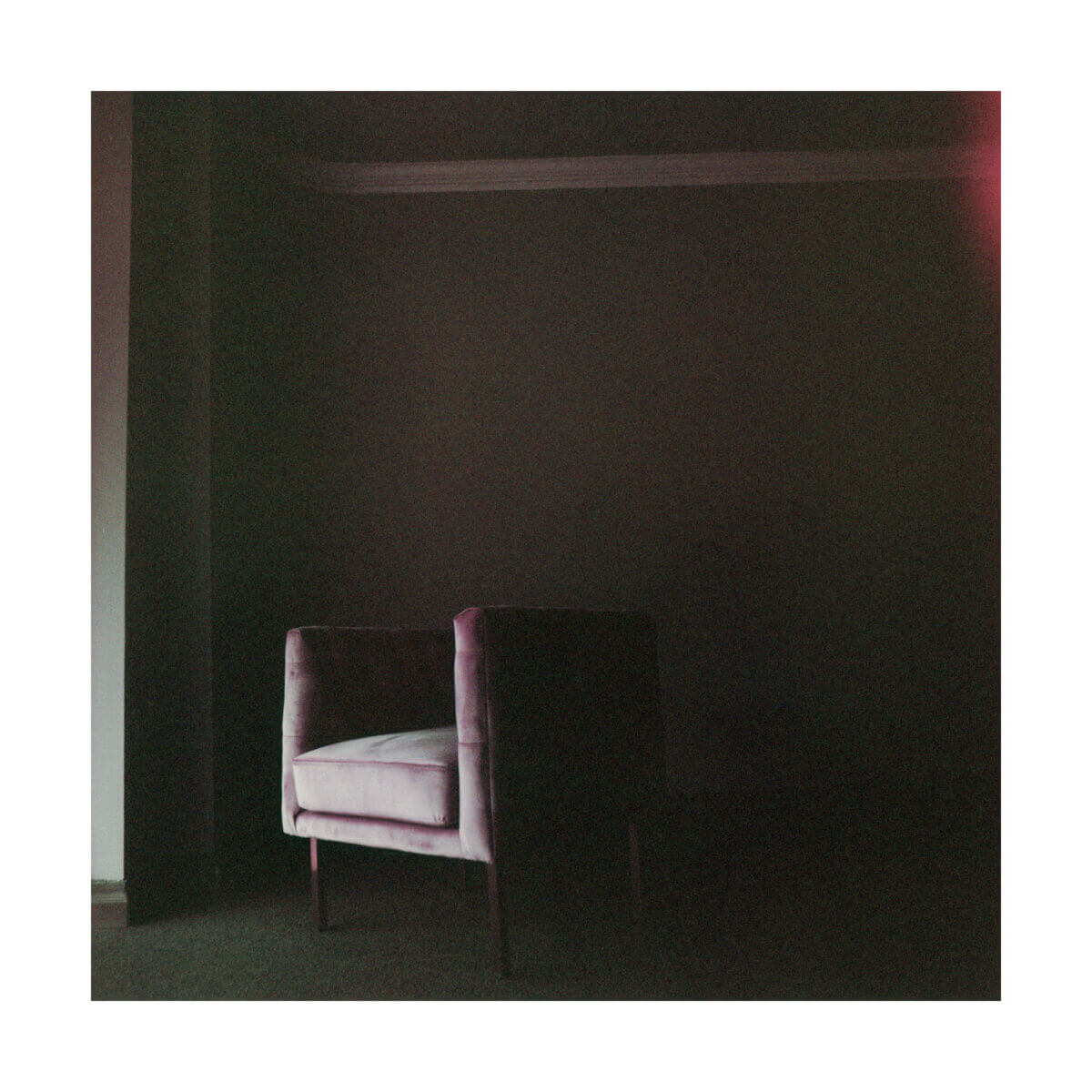
Alabama native Tara Stallworth Lee says her camera has always helped to narrow her attention, and the film’s reveal is a thrill every time. “It allows for a more focused way of seeing,” Tara says. “Film becomes the material through which lived experience is recorded.” In her new book, An Alabama Song, Tara weaves individual moments into a visual melodic harmony that tells the story of the state’s musical legacy. We spoke with Tara about the book’s inspiration, and we’re giving you a peek inside!
How has your identity as an artist unfolded throughout your life?
A life immersed in creativity is what I’ve imagined for as long as I can remember; the visual and visceral magic of exploring the world as a kid — picture books, cutting and gluing and making, cross-stitching, a brief love of drawing. In junior high, I discovered fashion magazines.
MTV came out around the same time, and I romanticized the lives of artists. In high school, I started using my mom’s Minolta and discovered immense joy in taking pictures — the excitement of waiting on film to be developed and the inexplicable bliss of seeing the exposed images.
When declaring a major at Birmingham-Southern College (BSC), I didn’t feel that an art degree was something that made sense for someone like me, even though it was something I wanted more than anything. So I studied psychology and took some art classes.
Later, in 1993, I enrolled at the University of New Mexico, one of only three schools nationwide that offered a degree in Art Therapy. My plan was to earn that degree, but I never did.
From my perspective now, it seems I learned how to be an artist from all the organizations, artists, educators, and students I’ve been surrounded by for roughly 35 years.
What can you tell us about your new book, An Alabama Song?
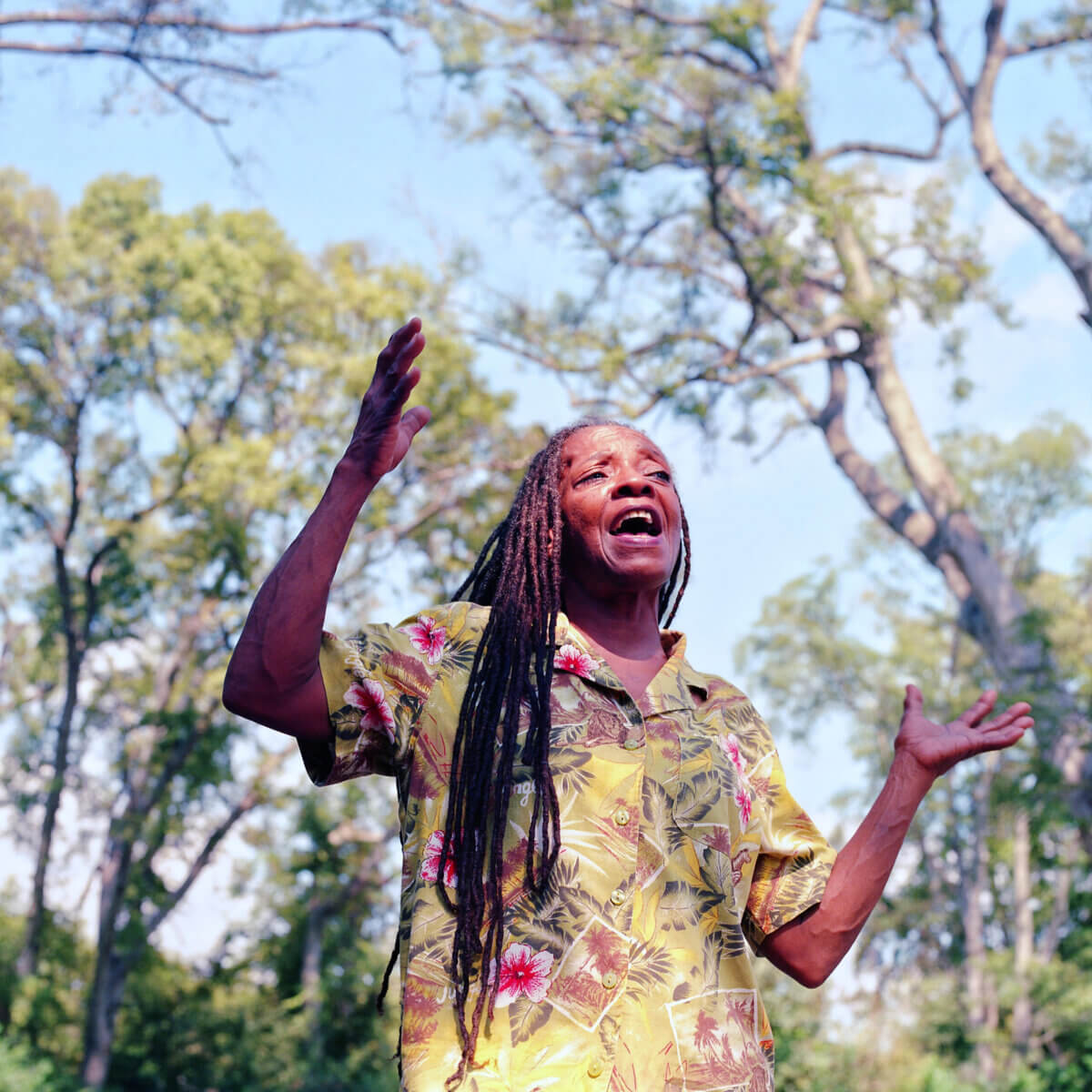
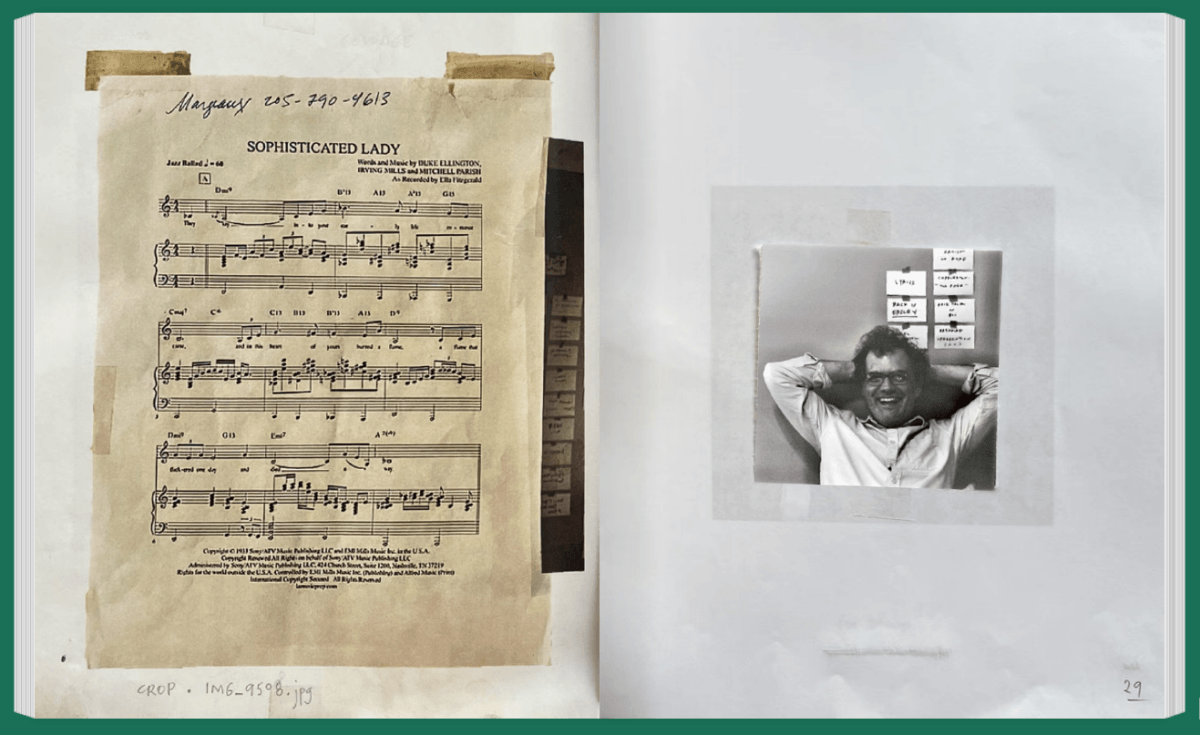
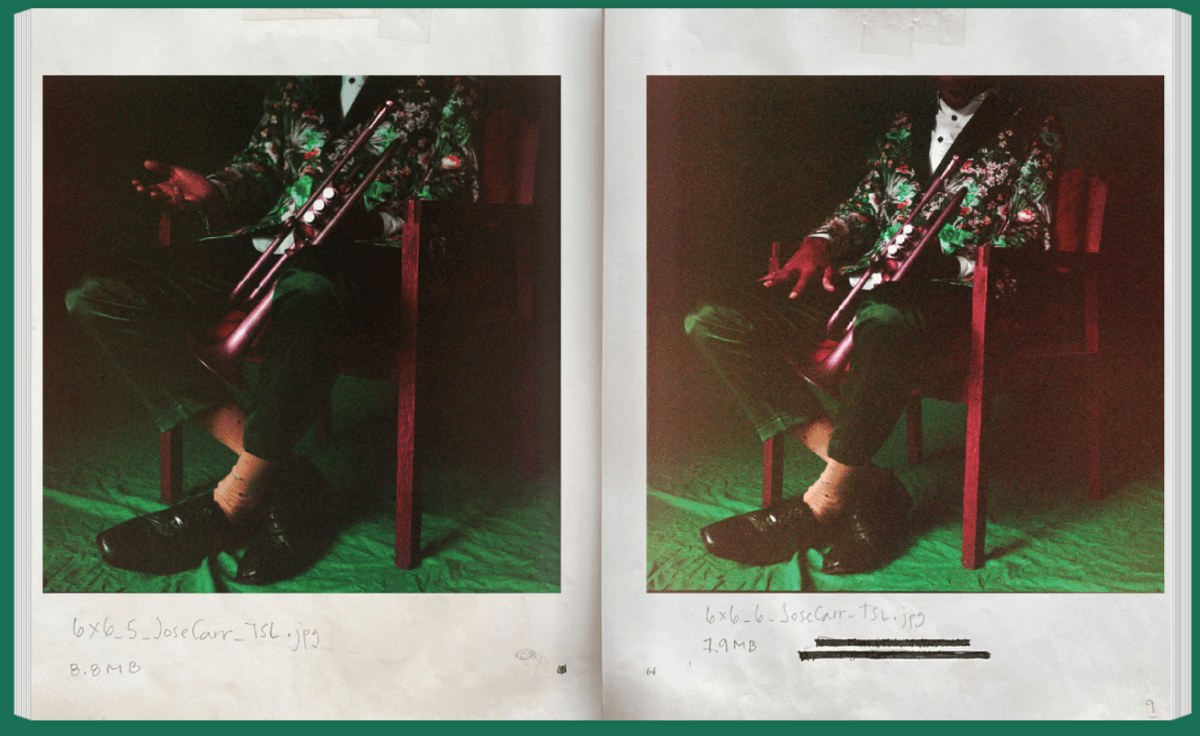
I can’t talk about the book without first mentioning the incredible artist and my dear friend, Leanna Leithauser-Lesley, who introduced me to many of the people and stories around which An Alabama Song centers. The book’s layout is meant to unfold like a melody, telling those stories through photographs and biographies.
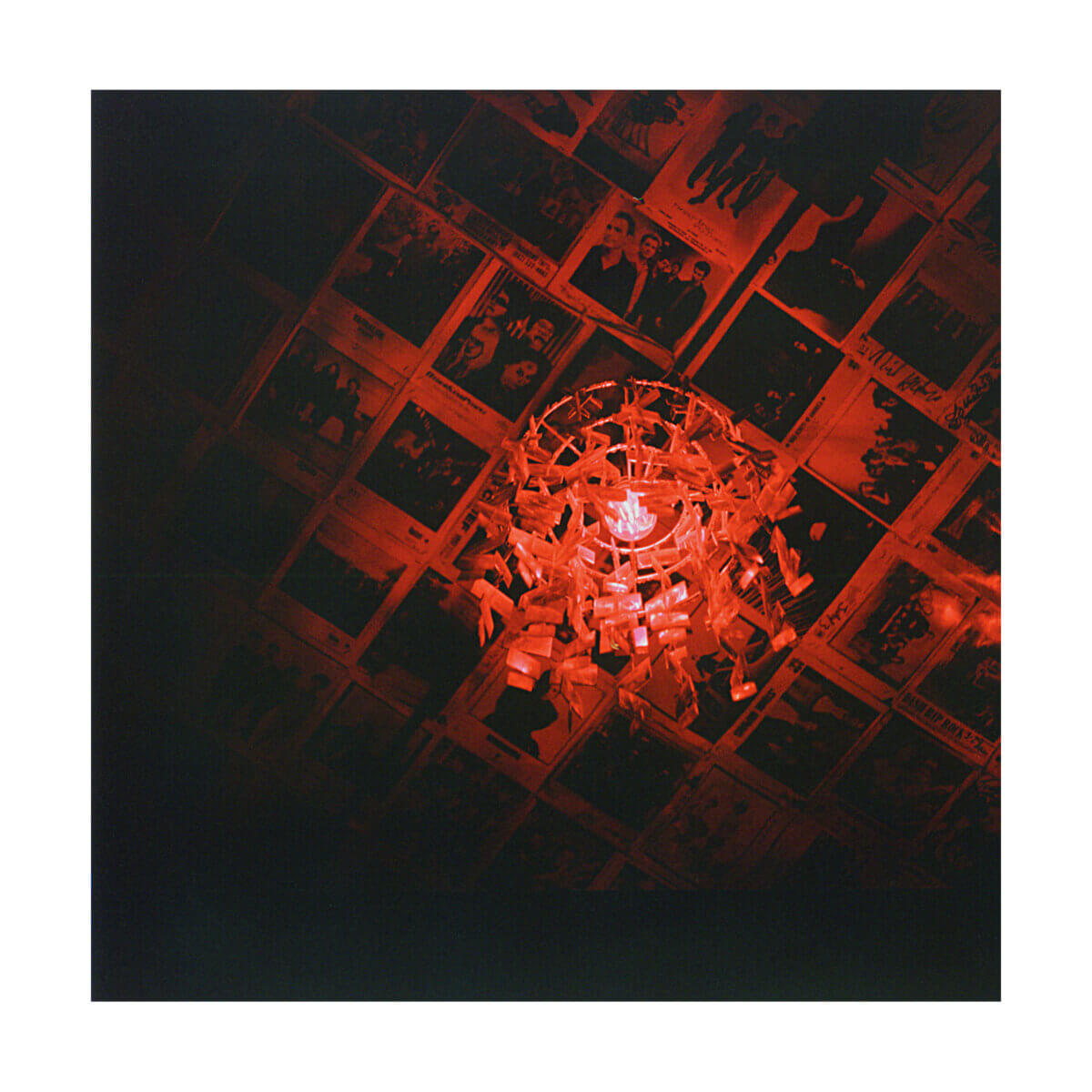
The project evolved from an exhibition Leanna and I organized, centered on Birmingham’s jazz legacy and the Alabama jazz legend Sun Ra. The book builds on that exhibition and includes other musical influences throughout the state.
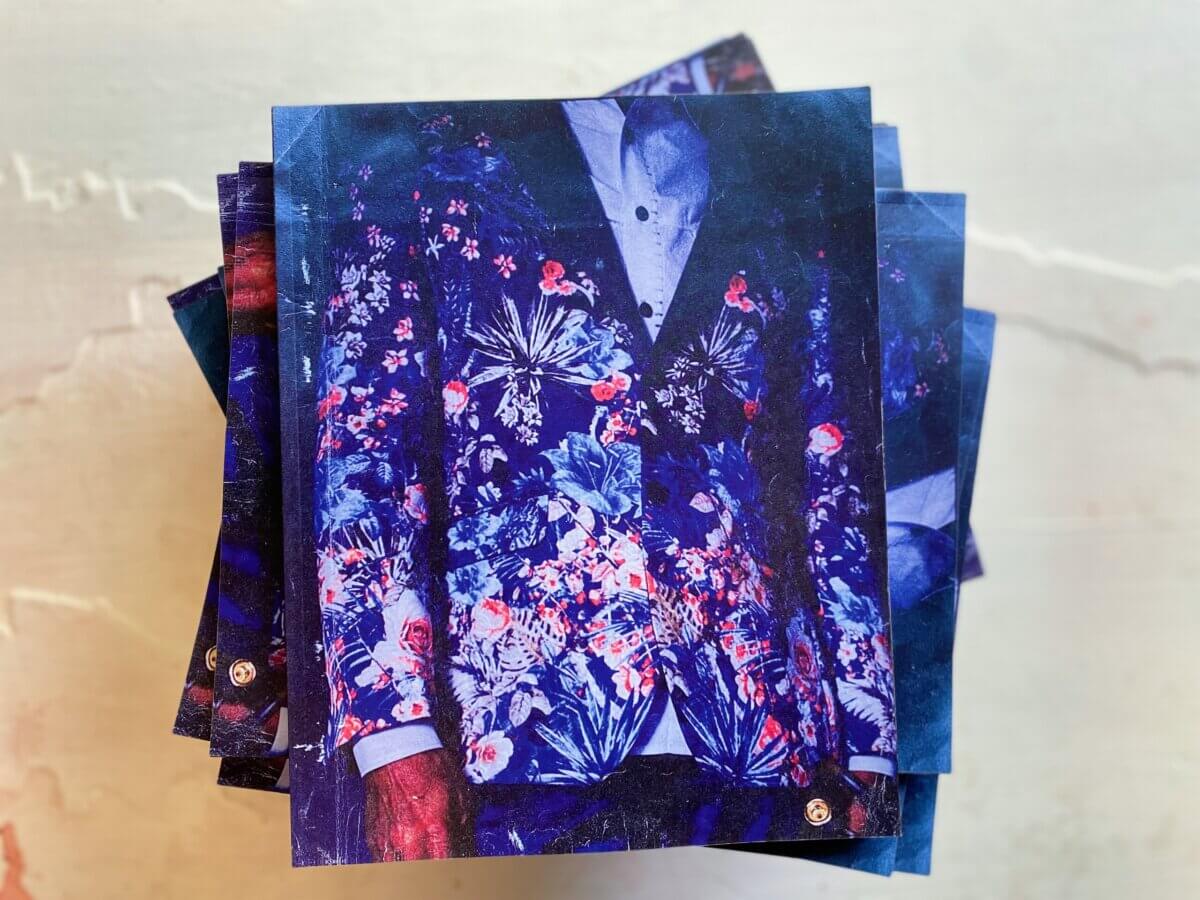
It also holds precious memories — souvenirs of real-time, often one-on-one encounters. Being in these moments with the subjects felt reverential, and the resulting work carries a tangible connection to the people and places that shaped it. Ultimately, I hope An Alabama Song leaves people with a deeper understanding of the state as a whole and a greater affection for its culture.
In your work, what draws you to your mediums?
Film is my first and forever love. Having a camera in my hands is a comfort. The unexpected outcomes of using film in a variety of old cameras are a thrill, and that initial high has never diminished. I love the feel of analog, now more than ever. I often say I’m an artist with a camera as opposed to a photographer — it shifts how I approach the medium. The process is almost entirely experimental for me.
Papermaking using sustainable plants and teaching others about handmade paper gives me a sense that, in some small way, I’m connecting myself and others to an intimacy with our shared environments. Textiles are a natural tie-in to paper. It’s all fiber! Slow stitching matches the feeling of scribbling as a child and is cathartic at times.
The rhythm and the movements relax my mind. Choosing thread colors is intuitive and largely depends on what I find around me. It’s wonderfully gratifying to use up scraps and trash and give meaning to materials, no matter how seemingly insignificant.
Tell us about your work with Studio by the Tracks and the Alabama Prison Arts and Education Project.
At BSC, a mentor introduced me to a new arts space in Birmingham called Studio By The Tracks (SBTT), where I volunteered with a group of adults with schizophrenia and autism. It was a wonderful combination of the two interests I loved most, art and psychology. SBTT marked the beginning of my specialty training in art and art education.
In 2021, I returned to SBTT as a regular volunteer. I taught my first class for the Alabama Prison Arts and Education Program in 2022 and just completed my seventh class with the program this week.
It’s difficult to put into words the feelings associated with many of the spaces I’m privileged to be in. The majority of my workweek is spent creating with marginalized populations of people — every experience is deeply rewarding, humbling, and eye-opening, too.
There is an infinite number of examples of personal struggles and circumstances, but in every one of these spaces, art is a portal to independence and personal expression. Celebrations exist in unlikely moments.
I believe it’s important to get to know, face-to-face, all types of people. This includes parents of a special needs adult child and a police officer at a maximum security Alabama prison. Every encounter and experience influences how I approach my life and work.
What is one thing you wish the rest of the country (and the world) understood about Southern artists?
Southern art and artists are beyond a stereotype. We are a rich, complex mix of modern ideas, deep cultural struggles, and diverse voices.
To quote/borrow from John R. Lewis: “We are one people, one family, we all live in the same house — not just the American (Southern) house, but the world house.”
What do you like to do when you’re not working?
Hang out with my family. And my dogs. I can never get enough time outdoors. Admittedly, some days the best thing is watching a Netflix drama series and escaping into the problems and chaos of others.
If you weren’t an artist, what do you think you’d be doing instead?
I can’t imagine doing or being anything else professionally!
Who or what is inspiring you right now?
The Walk for Peace. One of the monks gifted me a bracelet while walking through Selma. I haven’t taken it off.
The Guest House by Rumi, shared with me yesterday by one of my students (and original Dhamma Brother), at St. Clair Correctional Facility.
What is your best piece of advice?
Better is great.
LIGHTNING ROUND
Current fave local/Southern artist: Pinky Bass
Last delicious local meal: Garlic bread with cheese at Pizza Grace
Your go-to gift to give: Chocolatá chocolates
Three things you can’t live without: Cameras, film, and ice cream
**********
Meet more Southern women doing inspiring work at our FACES archives!

Katie Leigh Matthews
A Birmingham native, Katie is a lifelong waterfall chaser and is passionate about the outdoors. She also loves connecting with remarkable women in the Birmingham community and bringing their stories to life. Katie has been writing professionally for over six years; you can find more of her work at Moms.com and Islands.com.