Faces of the South: Natalie Chanin
In today's FACES of the South feature, see how Natalie Chanin's incredible work helps makes our world a more beautiful place to live.
·
By
Elizabeth Fox

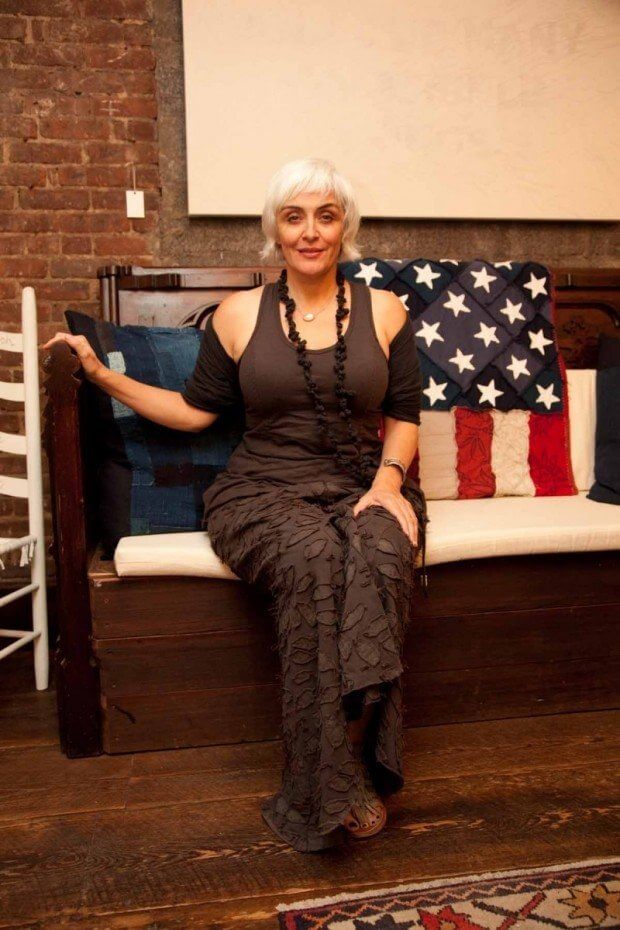
What was it like growing up in Florence?
Florence was very different because it was a rural town, very rural. However, it had an interesting music component that made it different than most Southern towns its size. There were two studios: FAME Studio and the Muscle Shoals Sound Studio, which produced a trail of notable musicians from the 70’s and 80’s.Can you name a few?
The Allman Brothers, Aretha Franklin, Bobby Gentry, Percy Sledge and there were many more. Even Sam Phillips of Sun Studios lived in Florence and his sons now live here. Having recording artists coming through town raised our awareness of the importance of Florence as a music town, especially since most artists were not from here.As an incredible clothing designer, did you play with paper dolls when you were young?
Actually I didn’t even know what the word designer meant until I graduated from high school. I will say that I grew up in a home where both of my grandmothers sewed, and they made most of their daughters’ clothes. We knew that we could make things whether it be food, crafts or clothing.
What did you do after you left high school?
I took a year or two off, had a baby when I was 20, then went to the North Carolina State School of Design. This changed my life. After graduating, I looked for a job as a designer in the Southeast – Florence, Chattanooga, and other Southern towns, only to find nothing. I decided I needed to go to New York and sent out 60 resumes and planned a one week stay in New York. I interviewed two times a day and finally was hired at Jou-Jou Jeans as a t-shirt designer. Jou-Jou jeans were sold on the 3rd floor of Macy’s; it was a typical NYC manufacturing company located on 7th Ave. What was ironic was that I was employed as a t-shirt designer and was from the t-shirt capital of the US, Florence, Alabama. It wasn’t until the 90’s that I realized what a big deal Florence was in the the t-shirt world. What’s interesting is that when I was figuring this out, the industry was in a downfall, with people losing their jobs and plants shutting down.Do you think those types of jobs will ever come back to Florence?
Actually, I am quite hopeful for the future of jobs like this. With the price of oil increasing and production prices rising, it’s much more economical to make things closer to home. When you manufacture overseas, you need long lead times and have less flexibility. By committing to manufacture in the US, companies can be more agile and produce smaller quantities. I see this as a shifting trend and a positive one.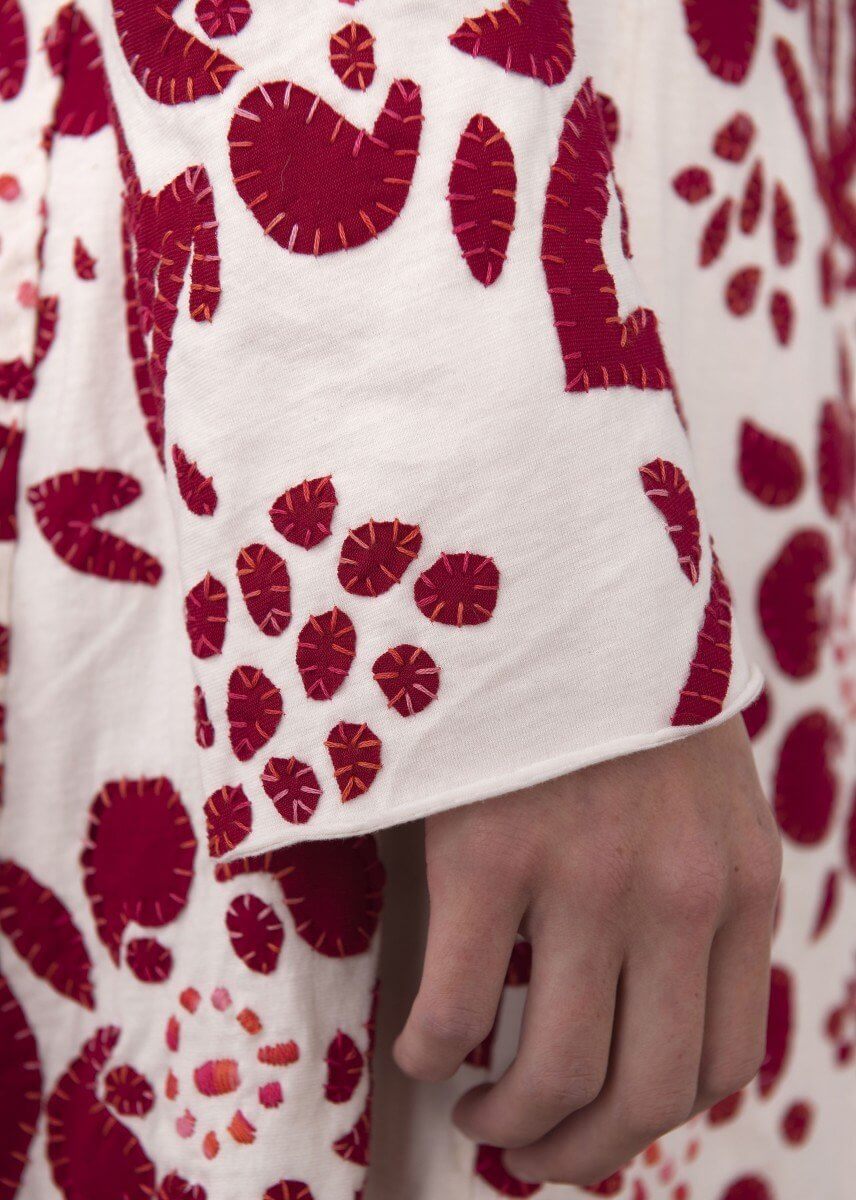
How did you start Project Alabama?
After returning to to the States after a 22-year sabbatical in Europe, I had a vision of wanting to make 200 one-of-a-kind t-shirts. I wanted to use a quilting stitch that I remembered from my childhood. After visiting a number of manufacturers, I realized I needed to go back home to Florence, Alabama, to get it done the way I wanted it. No one else had the means to produce the intricacies of the garment I wanted. I began the project first by creating a 22-minute documentary called Stitch about the old-time quilting circles. We made the 200 t-shirts as part of the film and sent it out to the fashion industry accompanied by a hand-made catalog. I am proud my new venture, Alabama Chanin, embodies my original commitment to a community-based industry.Is it my imagination, or is it easier to be discovered as a clothing designer now?
Designers have access to so much more. When I started, the infrastructure was so important that you had no choice but to go to New York. Now designers have many different options. And it’s much easier to choose where you want to live and what you want to do.Do you have a mentor in the business or someone who has influenced you?
Actually I take many of my cues from the food business. They have many of the challenges the textile industry does with importing versus local sourcing. People like Alice Waters and Joel Salatin continue to impress me with their commitment to holistic eating. Even my father loves to go to the farmer’s market, so the trend of farm-to-table is real.What challenges have you found in your vision of “made in America”?
What I am doing, creating a handmade product in the 21st century, goes against the grain. It is an expensive process and an expensive product. It isn’t for everyone. I have worked hard to make it affordable to everyone through my workshops. In these workshops, I show you how to create the garments, and you can do it yourself. I have been labeled an “elitist” because my prices are high, though, in fact, I am the antithesis: I use common materials and employ laborers from the rural South. Most people don’t know how incredibly difficult it is to make a commitment to “made in America” products. It’s even challenging to find common items like buttons and thread. I am excited to say that we’re in the process of working with Billy Reed to grow organic cotton in Florence.