
6 Organizations Pairing Canines and Veterans Across the South
Get to know a few Southern organizations helping veterans thrive through the healing power of canine companionship! Image: Facebook / Joint Task Force K9s

This Veteran’s Day, we honor those who have served, and we recognize the wounds of war they bring home — both visible and invisible. Reintegrating into civilian life can be a challenge, with struggles including Post-Traumatic Stress Disorder (PTSD), Traumatic Brain Injury (TBI), depression, service-connected disabilities, severe isolation, and anxiety. According to the U.S. Department of Veterans Affairs, the rate of suicide among veterans is 57.3% higher than civilians. That’s where service dogs for veterans can help.
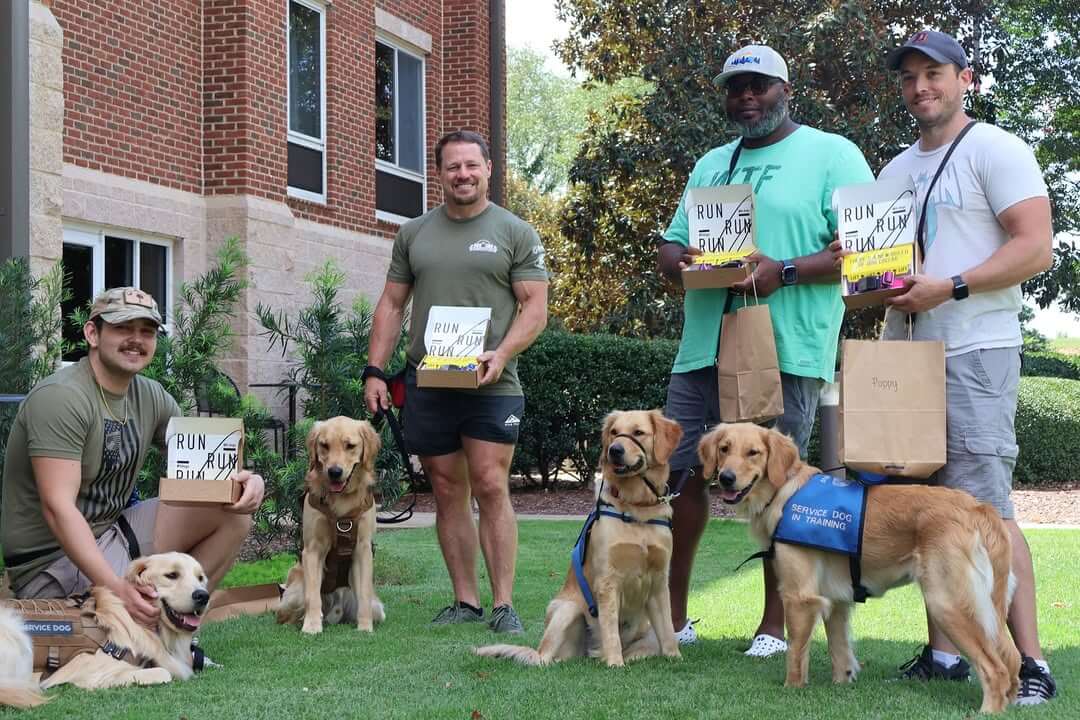
The Healing Power of a Veteran’s Best Friend
The canines in these programs are specially trained to help veterans in a wide variety of ways. Depending on the need, these incredible pups can help their owners through panic attacks and interrupt anxiety loops using deep pressure therapy. They can also awaken owners from nightmares or act as a supportive buffer in crowds. Service dogs can help disabled veterans by assisting with mobility needs, providing memory support, retrieving medications, and even guiding their handlers home during episodes of dissociation.
Beyond service-oriented benefits, service dogs for veterans offer daily structure and a greater purpose, two things that can be difficult to define after military service. Isolation is also common among veterans, and caring for a service or companion dog encourages veterans to re-engage with their communities.
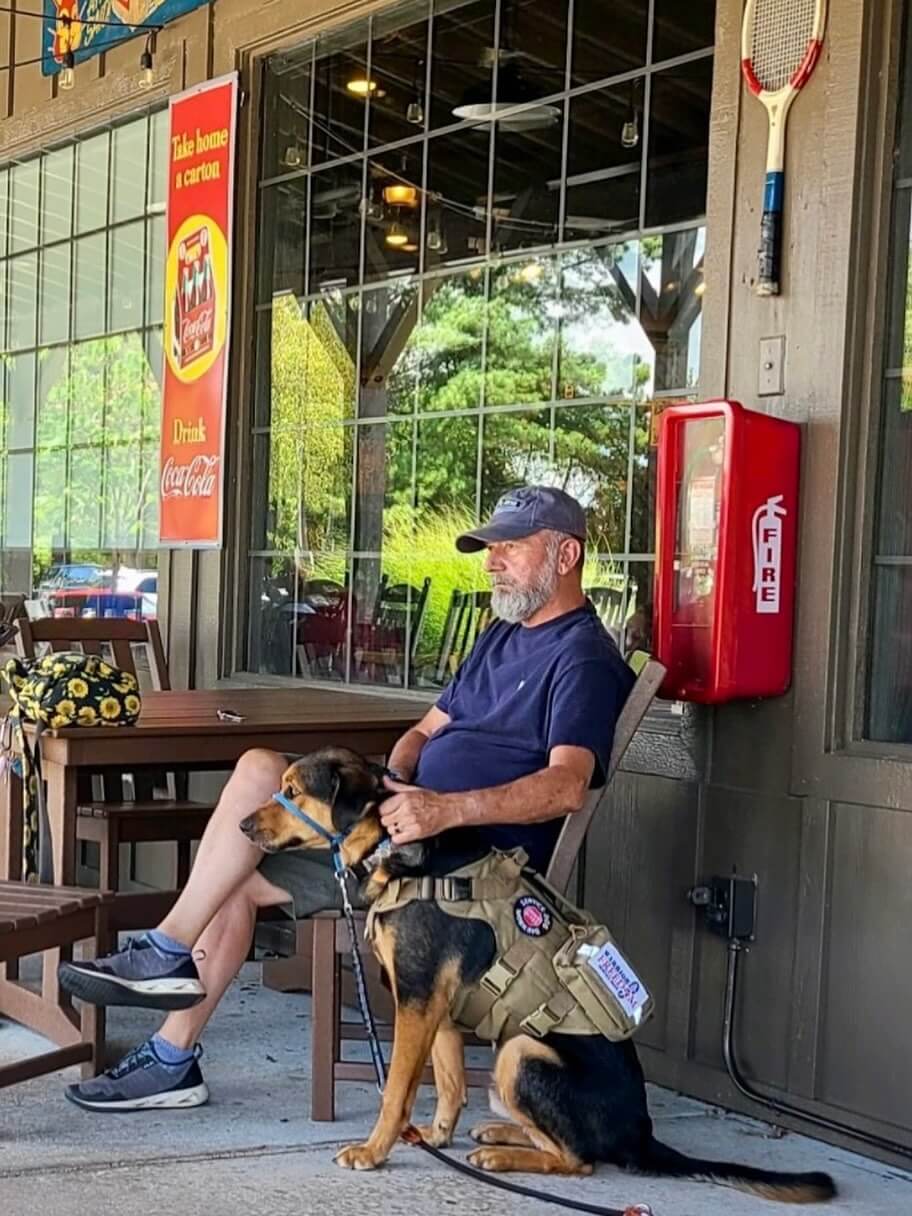
Data from program participants with the Durham, North Carolina, organization Vets to Vets United clearly shows that dogs make a difference in a veteran’s recovery, healing, and quality of life:
- 61% of veterans report significantly decreased suicidal thoughts
- 71% experience decreased PTSD symptoms
- 83% experience reduced stress during VA visits
- 88% show a significantly improved quality of life
“Our veterans often tell us they get out of bed for their dog when they wouldn’t get out of bed for themselves. That shift, from isolation to responsibility, is frequently the turning point in recovery,” Terry says.
Learn more about these five Southern organizations improving the lives of local veterans one canine at a time.
Vets to Vets United
Location: Durham, North Carolina
More Info: vetstovetsunited.org
“Traditional treatment methods alone often prove insufficient, leaving veterans without adequate support systems,” Founder and Executive Director of Vets to Vets United, Terry Morris, Ph.D, tells us. Her organization pairs veterans with rescue dogs for a mutually beneficial and life-saving bond. Vets to Vets, along with several others across the South, has seen firsthand the transformative power of the companionship, loyalty, and service of man’s best friend for those who have served.
They exclusively pair veterans with rescue dogs to combat North Carolina’s high shelter euthanasia rates while also providing all the benefits of a service or companion dog. The concept of saving an animal is especially meaningful for many veterans. “Veterans tell us, ‘My dog saved me, but I also saved my dog,’” Terry shares.
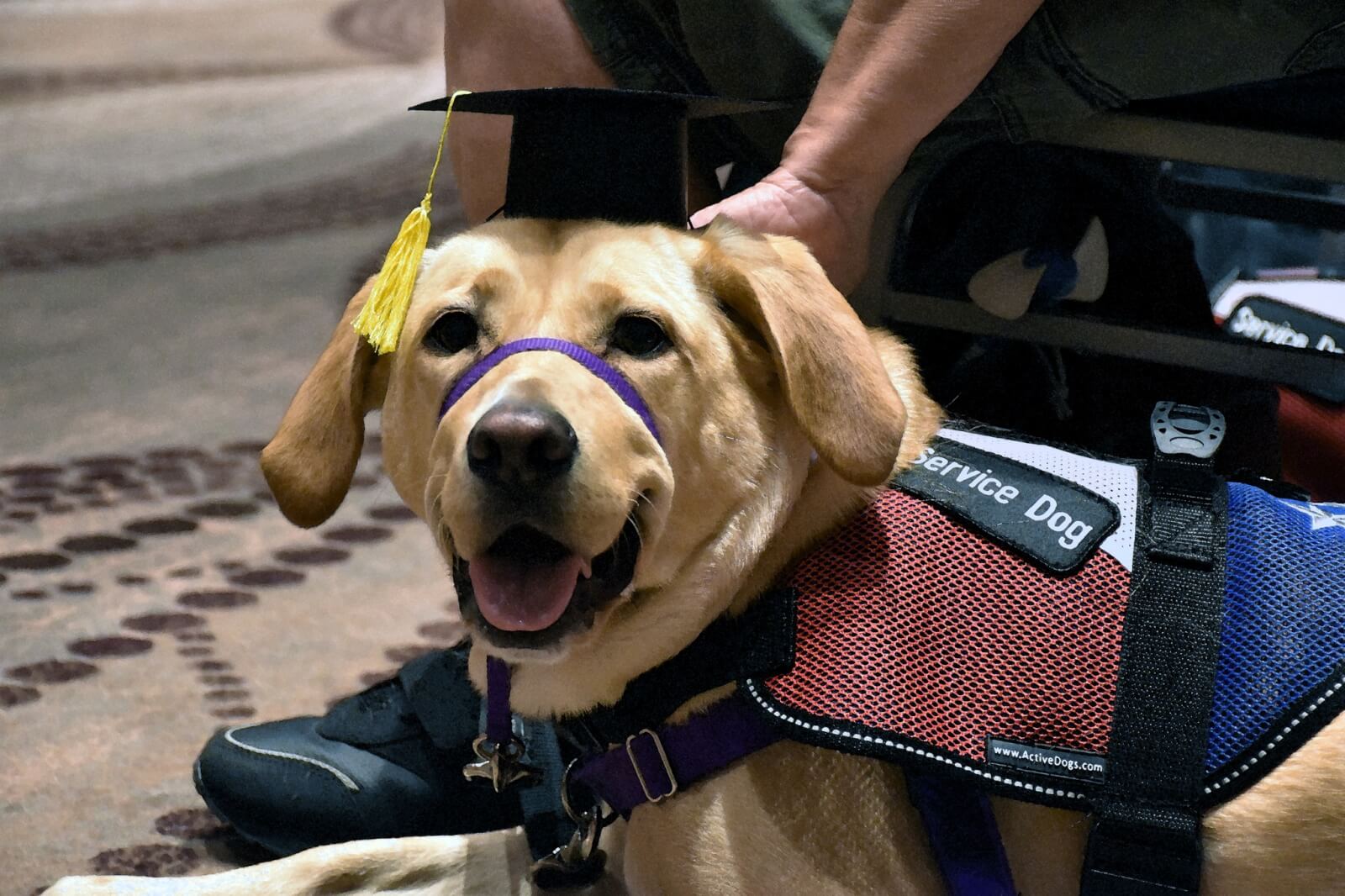
Vets to Vets takes veterans and their canines through a robust two-year training program. The first year focuses on establishing a foundation of bonding and skilled care for both person and pup. In the second year, veterans pay it forward by becoming program trainers in addition to volunteering with the organization in various capacities.
“At the beginning of our program, we often meet veterans who can barely leave their homes and dogs who were days away from euthanasia,” Terry says, “Two years later, those same veteran-dog teams are confidently working [in] hospitals, bringing comfort to pediatric cancer patients, helping college students de-stress during finals, and providing companionship to isolated seniors. The veteran who once needed saving is now doing the saving.”
Learn more about how to contribute to Vets to Vets United here.
Healing 4 Heroes
Location: Peachtree City, Georgia
More Info: healing4heroes.org
Piper Hill, founder of Healing4Heroes, served in Desert Storm, where she suffered a traumatic brain injury. Returning home, the compounding effects of PTSD along with her injury resulted in Piper enduring a period of about three years where she says she doesn’t remember much, except for the continual companionship of her dog.
A top-rated nonprofit by Great Nonprofits, Healing4Heroes helps veterans and local animal shelters by training suitable rescue dogs to become service companions for active and retired military members. Their dogs are ADA-compliant and can help with a variety of both mental and physical disabilities. They also work with existing pets that meet the training criteria.
To donate or volunteer for Healing 4 Heroes, click here.
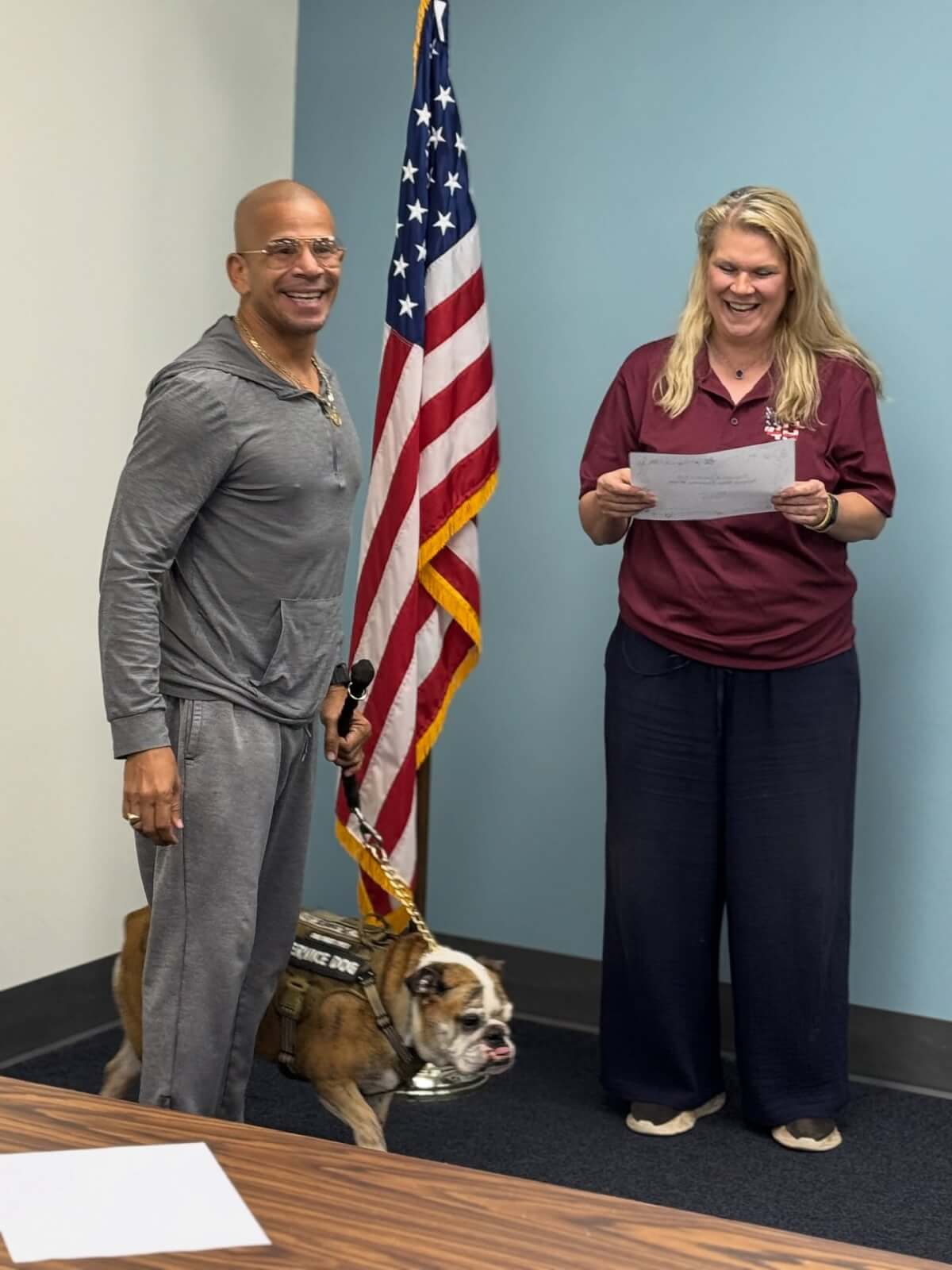
Battle Buddies of the Carolinas
Location: Greenville, South Carolina
More Info: Facebook
In the military, service men and women have a “battle buddy” to watch their backs, and that’s exactly the relationship Battle Buddies seeks to provide for veterans and service dogs. Husband-and-wife cofounders John and Jo Anne Creed were first introduced to service dogs through their volunteer work as puppy raisers for organizations serving people with mobility disabilities. With John being a Marine veteran who is disabled, the couple quickly realized the healing power of pairing service animals with veterans dealing with PTSD and TBIs.
By focusing their canine-veteran services on veterans with these diagnoses, the Creeds can provide specialized service dogs that are trained and ready to help with the unique needs of this group.
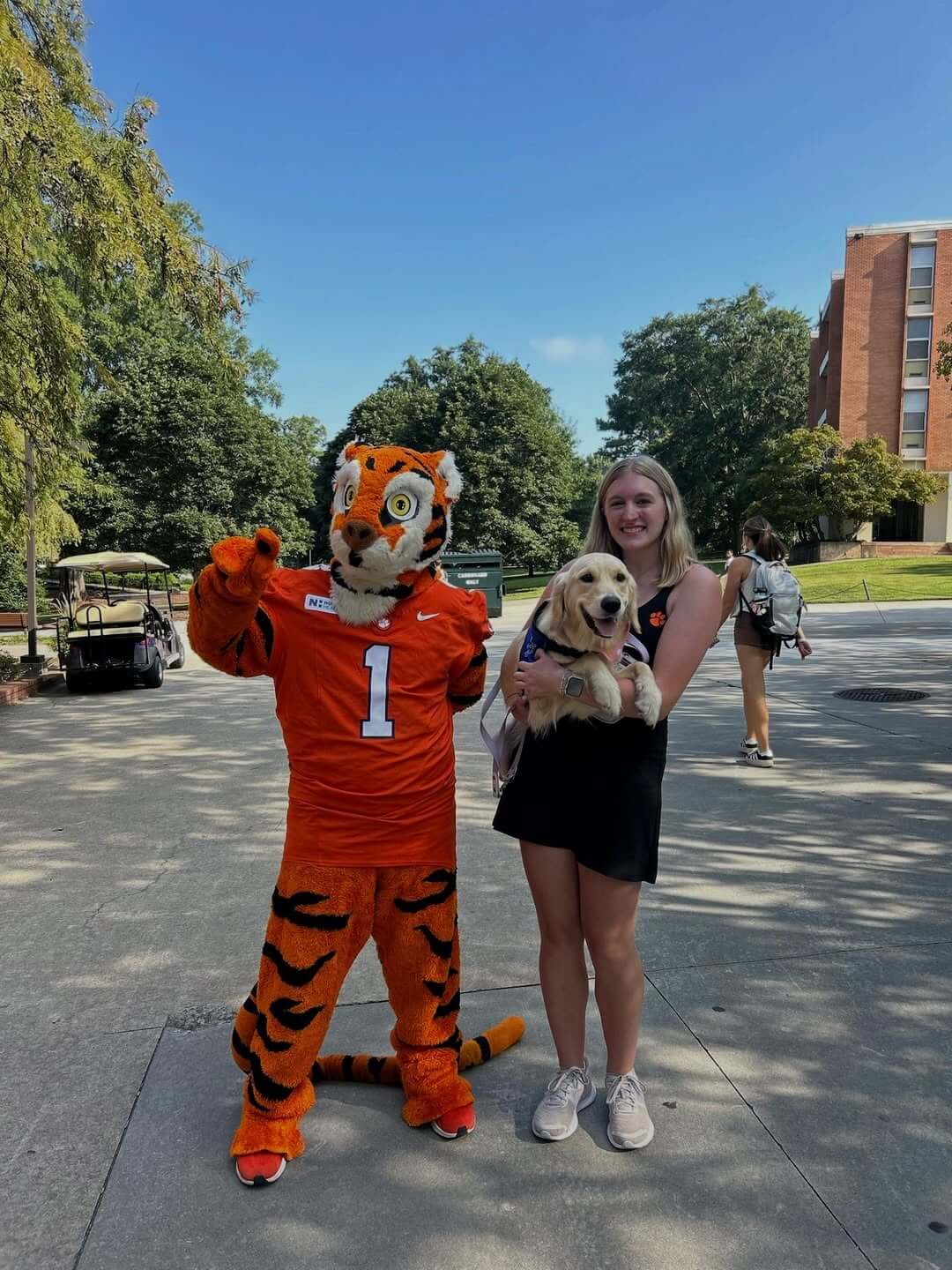
“In the case of TBIs, a service dog can alert to seizures so the veterans can get to a safe spot, or take medication,” Jo Anne tells us. “The service dog is also able to help with their short-term memory loss, [such as] leading them to where they parked their car.” For those dealing with PTSD, Jo Anne says, “Service dogs are trained to alert to panic attacks, nightmares, and even seizures. This enables the veteran to be out in public without assistance from a spouse or family members.”
“It is very rewarding to see our veterans with their service dogs become more independent and be able to enjoy their lives again,” Jo Anne says. “It is also important for the family or caregivers to know that their veteran is safe and being looked after by their service dog. PTSD affects the entire family.”
To learn how to donate or sponsor a Battle Buddy pup-in-training, click here.
Warrior Freedom Service Dogs
Location: Chattanooga, Tennessee
More Info: warriorfreedom.org
Matt Weitz, the founder of Warrior Freedom Service Dogs, served two combat tours in Iraq, resulting in PTSD upon returning home. After developing a substance use disorder from the medication prescribed to help with his condition, he pursued applications for a service animal, only to be denied again and again. Now, Weitz works to ensure that no soldier has to endure what he did to get the help they deserve after service.
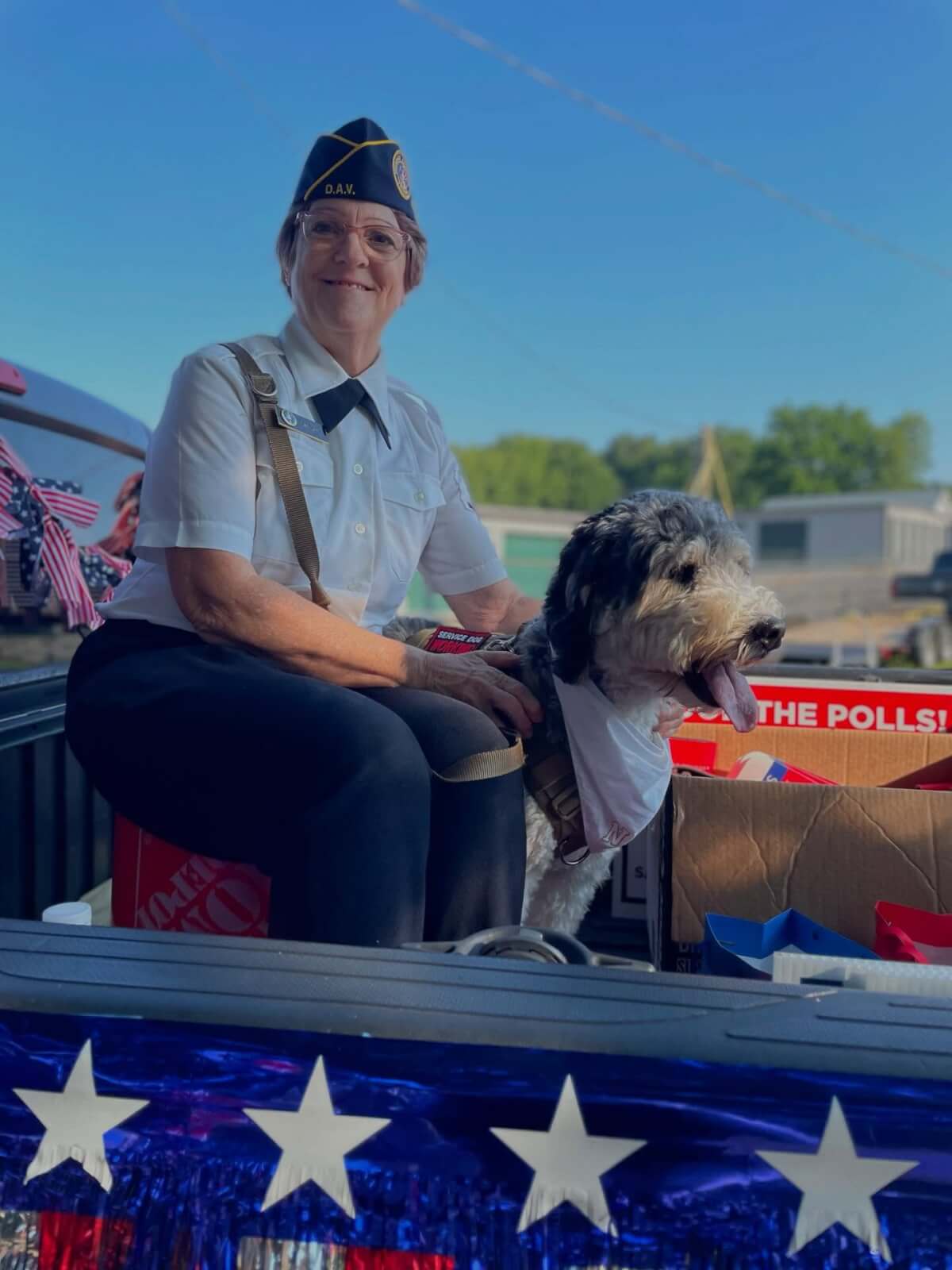
Warrior Freedom Service Dogs help veterans with service-induced brain injuries reconnect to a purpose-filled life with the help of a rescue pup turned service dog. Participants undergo a two-month training program to form a deep bond with their animal while training it to perform several key functions tailored to the veteran’s specific needs. The generosity of donors enables the organization to provide its services free of charge.
To volunteer or donate to Warrior Freedom Service Dogs, click here.
Joint Task Force K9s
Location: Myrtle Beach, South Carolina
More Info: jtfk9s.org
Keith Holland, founder of Joint Task Force K9s, began his service as a military police officer before earning his Green Beret in 2005. Over his distinguished career, he completed seven deployments in Afghanistan, Iraq, and Tajikistan, while serving in multiple Special Forces roles. His service resulted in diagnoses of PTSD and TBI, and his service dog, Quill, forever changed his life. Today, he and his cofounder, Lori, seek to provide the same life-saving canine companionship to other service professionals with similar stories.
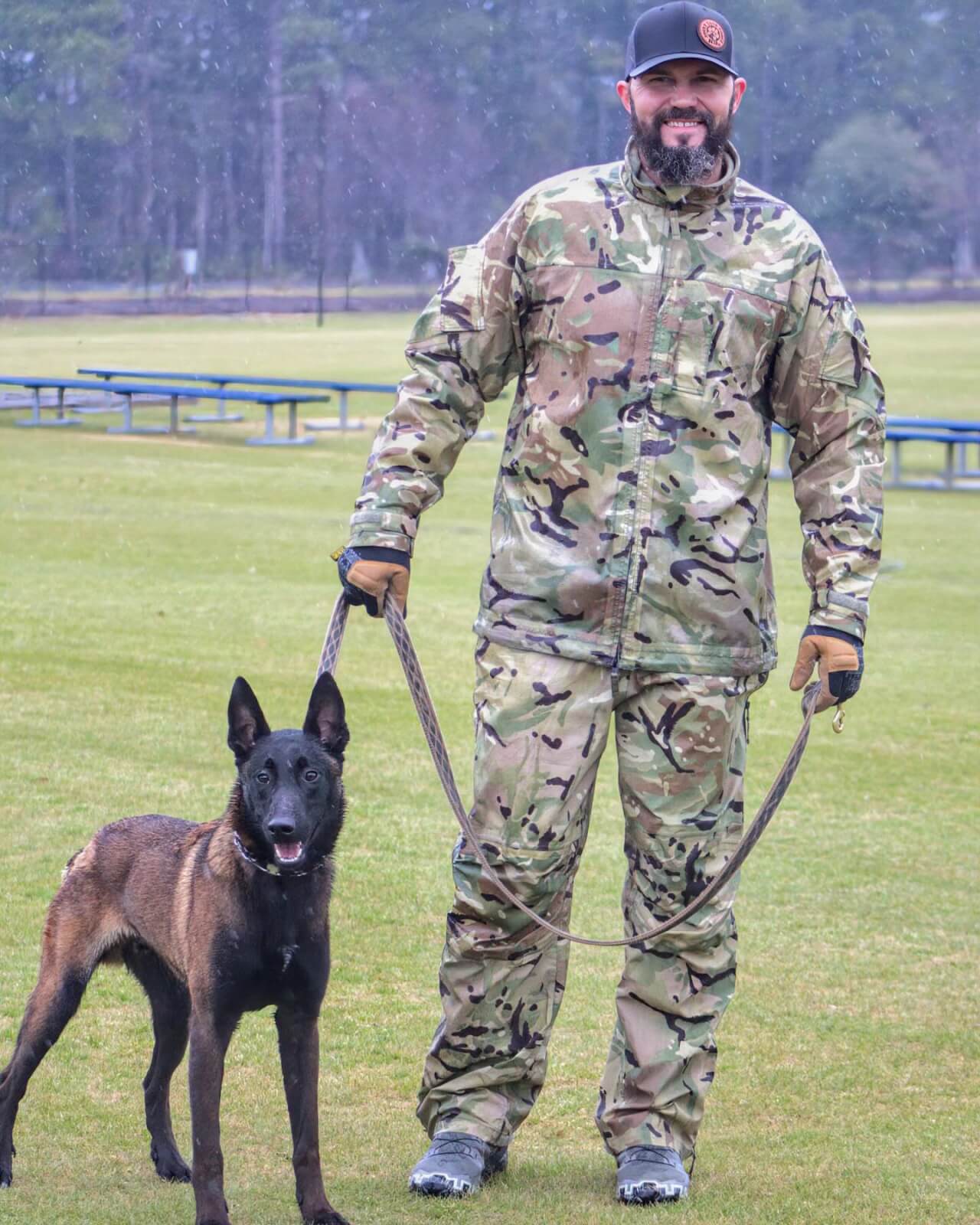
Joint Task Force K9s serves combat veterans, active-duty personnel, and retired law enforcement officers with service-connected disabilities.
“While PTS and TBIs are common focus areas, Joint Task Force K9s is open to those facing a range of challenges,” Keith says. “We primarily work with Belgian Malinois, Dutch Shepherds, and German Shepherd blends, breeds known for their intelligence, loyalty, and adaptability,” he explains. “They are bred, raised, and trained at our facilities to ensure consistency and quality, and selected for their temperament and drive, making them ideal service canine companions for high-stress environments.”
To donate or volunteer with Joint Task Force K9s, click here.
**********
To stay in the know on the best of the South, subscribe to our daily emails!

Katie Leigh Matthews
A Birmingham native, Katie is a lifelong waterfall chaser and is passionate about the outdoors. She also loves connecting with remarkable women in the Birmingham community and bringing their stories to life. Katie has been writing professionally for over six years; you can find more of her work at Moms.com and Islands.com.