
Create the Perfect Planter: Insider Tips from Local Gardening Experts
Gardening experts from Millstone Market & Nursery, the Dixon Gallery & Gardens and Memphis Botanic Garden let us in on the secrets to the perfect planter!
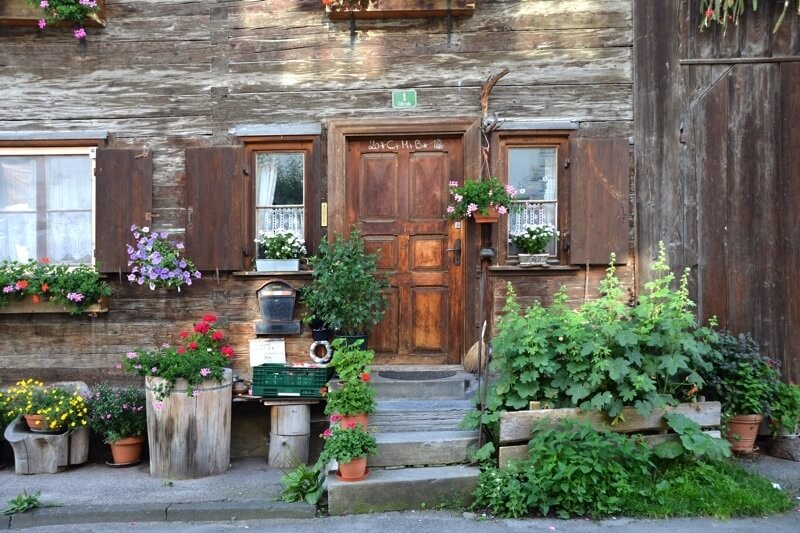
If you want beautiful container plantings for your patio or porch this summer, do a little homework before you take up a trowel. Consider how much sunlight your containers will get, how much water you will be able to provide and how much effort you’re willing to give them. Armed with that knowledge, you’re good to grow.


First Things First
Think about where the container is going, says Rick Pudwell, director of horticulture and outreach at Memphis Botanic Garden. “A container should always be on a surface other than soil — on a deck, patio, porch or pedestal,” he says. “If you are placing it on the ground, you could have improved the soil and planted something there.”
Also, a container’s location determines sun exposure, which dictates what should go in the container. “Make sure you know how many hours of sunlight the planters will receive,” says Lisa Lawhead, operations and nursery manager at Millstone Market & Nursery. She says more than six hours is considered “full sun,” four to six hours is considered “part sun/part shade,” and four hours or less of morning sun is considered shade. So know your sun exposure and select plants accordingly.
And give some thought to the container. “The container should be attractive and hold enough soil to support the plants, but it should be complementary to the plants used, not steal the show,” says Rick.


Digging In
Now that you’ve done your homework on placement, sun exposure and container size and appearance, you’re ready to dig in!
When it’s time to plant, let three words be your guide: ”Traditionally, the most common rule of thumb is to have a thriller, a filler and a spiller,” says Lisa from Millstone. Choose something tall, the thriller, to place in the center; something to take up space around it, the filler; and something to hang over and soften the edges of the container, the spiller. This makes a more dramatic display than your garden-variety pot of petunias.


Dale Skaggs, director of horticulture at Dixon Gallery and Gardens, offers a new take on the thriller-filler-spiller recipe. Historically at the Dixon, containers were the place to experiment with combinations of plants and color schemes. “We had to do lots of watering and pinching and fertilizing,” he says.“We rely now more on shrubs in containers with annuals you change out seasonally. When the shrubs outgrow the pots, you put them in the ground.”
Tough plants that require little maintenance and water can make container gardening easy, he says. Agave Americana is striking in planters at the Dixon, overwinters well and requires little water. And, with Silver Falls Dichondra as a spiller, the simple architecture of the agave is the star of the show. Aspidistra, or cast iron plant, works well as a drought-tolerant container plant for shade, and yuccas grow well in hot locations, he says. The Dixon’s practical approach is perfect for those who have trouble nurturing plants.


Rick from the Memphis Botanic Garden recommends tropicals, such as hibiscus, mandevilla, crotons, Alocasias, jasmine, citrus trees and palms as stand-up performers in the Memphis heat.
Lantana, petunias, geraniums, impatiens, vinca, sweet potato vine, coleus and caladiums can make a statement, particularly if used in bold color combinations, such as shades of red and pink with a little maroon thrown in. Or try lavender, royal purple and some bright orange as an attention-grabber.
And use contrasting textures for a dramatic effect. Foliage can be dramatic, if you contrast textures. Plant a philodendron, with its large waxy leaves, alongside a finely textured fern and the papery, pointillistic white variegated ivy.
As you mix colors and textures to create your own artistic arrangement, be sure all the plants you use have similar light and water requirements, and keep in mind that larger pots dry out more slowly, and may require less watering. Still, for most combinations, regular watering is a must in the hot summer months. But over-watering can be just as deadly as watering too little, so know your plants’ needs.
Lisa from Millstone says good potting soil with coconut coir will help retain moisture. She recommends fertilizing regularly with a fertilizer that encourages blooming, such as Espoma Organic Bloom liquid fertilizer. Deadhead, or pinch off, old blooms so the plant produces more blossoms instead of seeds.


Encouraging Words
Rick from the Botanic Garden says for most people, container gardening is a lot easier than planting in the ground. “Most people with busy lifestyles have smaller properties and don’t want to tend to a vast garden,” he says. “A few well-chosen containers on a porch or patio can add a lot of color and interest and can be replanted as plants fade or the seasons change with minimal effort and expense compared to re-landscaping a property.”
Have fun and mix things up, says Lisa from Millstone. “Don’t get bored doing the same containers each year,” she says. “Gardening is trial and error. Don’t worry if you don’t succeed the first time, just give it another try.”
Survey your property and do your horticulture homework, then pick the perfect pot, your preferred plants and dig in!
Thank you to our experts from Millstone Market & Nursery, Dixon Gallery and Gardens and the Memphis Botanic Garden for sharing their tips and insight!
**********
There’s so much to love about Memphis! Fall in love all over again by downloading the SB App, which offers the best local shopping, dining, events and more — all at your fingertips!
